Personal Info
Known For
Gender
Birthday
Place of Birth
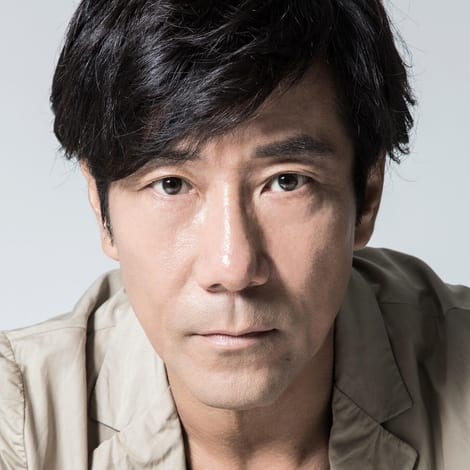
Goro Kishitani
Known for

Solitary Gourmet
Centered around typical Japanese food, a solitary salesman travelling through the country for business purposes, eats at its various establishments and experiences the various delicacies of Japanese cuisine.

Dear Radiance
Murasaki Shikibu (Yoshitaka Yuriko), the heroine of this story, wrote the bestseller 'The Tale of Genji,' transcending a thousand years during the Heian period. She weaves the story of Hikaru Genji, fueled by her love for Fujiwara no Michinaga (Emoto Tasuku), with her hidden passion and incomparable imagination. It is a tale of a woman who lived with unchanging love in an ever-changing world. (From TV JAPAN)

Teruteru Kazoku
The 69th NHK Asadora Drama, based on Rei Nakanishi's novel, is about the Iwata family living in Ikeda, Osaka City between 1950s and 1960s. The story is told through the eyes of the youngest daughter, Fuyuko. The family runs a bakery. The mother, Teruko, is a very energetic woman who is determined to make her dreams come true. Responding to Teruko's expectations, the eldest daughter becomes a figure skater and the second daughter becomes a very famous professional singer. In contrast, Fuyuko finds her joy in bread making.

Sanctuary
A tough, desperate kid becomes a sumo wrestler, captivating fans with his cocky attitude — and upsetting an industry steeped in tradition.
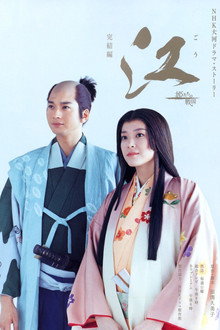
Princess Go
Princess Go was the youngest of the most famous three sisters in Japanese history, who each led a remarkable life in an age of turmoil and civil war. Go loses her parents in the war, marries three times, and feuds with her own sister in competing for power. Go's husband becomes the second Tokugawa Shogun and she ensures her prominence as she gives birth to a son who later becomes the third Shogun and a daughter, a wife of the Emperor. The drama describes the age of the civil war through the eyes of Princess Go, who plays a significant part in establishing the age of peace that lasts over 200 years in Japan.

Meet Me After School
Emotions resurface when a school teacher and her former student reconnect three years after sharing a forbidden attraction that scarred them both.

Jungle King Taa-chan
Ta-chan is the king of jungle. He was abandoned in savanna, and has been raised by a chimpanzee, Etekichi. He has a dearest wife, Jane who used to be a top model in New York, but now she looks…Anyway, to protect animals from poachers, Ta-chan is fighting against them with his disciple, Pedro, and a master of Chinese martial arts, Ryo. This anime is based on the manga with the same title; it begins as a comical parody of Tarzan. The first several episodes are comedies, but the rest of the series consists of (rather) serious episodes.

TAGUSARI bros.
Two brothers become police officers to hunt down their parents' killer, who escaped justice by just two days before the statute of limitations was abolished.

Pretty Proofreader
Etsuko Kono is a 28-year-old woman who loves fashion. Aspiring to become a fashion editor, she joins a publishing company, but is sent to work in copy editing. There, her job is to correct errors and inadequate parts of documents and copies.

Crows Zero
The students of Suzuran High compete for the King of School title. An ex-graduate yakuza is sent to kill the son of a criminal group, but he can't make himself do it as he reminds him of his youth.

Love Is for the Dogs
A divorce lawyer Aiko and vet Kai bond over their dogs, while Korean conglomerate heir Seo-ha approaches Kai on a mission. Their paths collide in a love story about connection and growth sparked by their pets.

Ten:The Nice Guy on the Path of Tenho
Takashi Ten is called to a mahjong club one night to play against Igawa Hiroyuki, a young mahjong player. Having just robbed Ten's friends blind at mahjong, Ten arrives to take back his winnings. Ten's mahjong style becomes more apparent as the game progresses... amateurish! Ten cheats in the last round, using a move called the Tsubame Gaeshi and winning with a Tenhou hand. Hiroyuki is angered once Ten admits he cheated after the game. Will he come to understand Ten's "Way of Tenhou", where Ten willingly cheats and gets beat up in response for his friends? Will Ten unlock his true mahjong potential or cheat forever?

Nozaki Shuhei - Auditor of Bank
A popular manga about a corporate auditor of a major bank is adapted for the screen starring Yuji Oda, one of Japan's favorite actors. With a strong sense of justice and trusted personality, the antagonist takes on the vast darkness of a mega bank to fully expose bank fraud.

Sky of Love: Someone I love is there
An ordinary senior high school girl named Mika meets Hiro, a showy boy with dyed hair and pierced ears. It is a "pure love" story of the two going through many unimaginably sad incidents while nurturing their love single-mindedly. It not only depicts the first love of the senior high school couple but also weaves "a story of Mika and Hiro" through episodes probably familiar to anybody, such as warmth and affection of their family members supporting the two, importance of living, interactions with friends, and so on.

One Missed Call
People mysteriously start receiving voicemail messages from their future selves, in the form of the sound of them reacting to their own violent deaths, along with the exact date and time of their future death, listed on the message log. The plot thickens as the surviving characters pursue the answers to this mystery which could save their lives.