Personal Info
Known For
Gender
Birthday
Place of Birth
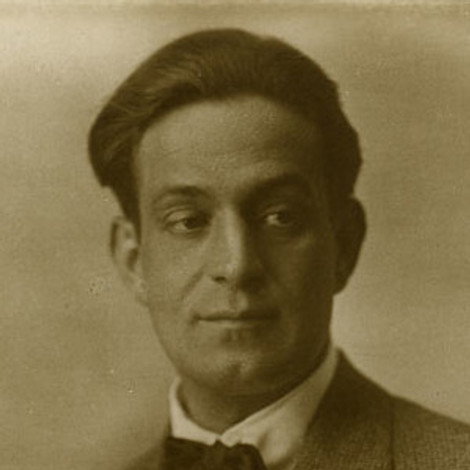
Erich Kaiser-Titz
Biography
Known for

The Great Industrialist

People Among Us
Gerhard Lamprecht sketches a cross-section of Germany's new post-war society, with its winners, social climbers, and losers, represented by the social microcosm of an apartment building. The gossip-mad Frau Mierig from the rear building gives the newly-arrived Frau Kaminski, the janitor's wife, a lively initiation into the tenants and their peculiarities.
Das Liebesnest
Die Stricknadeln
Der Millionendieb
Gelbe Bestien
Claire
Arthur Imhoff
At the age of 50, the surgeon Privy Councillor Professor Imhoff marries the young, beautiful but poor orphan Annie von Arenberg. On the wedding day, the professor's students put on a ceremonial procession. Annie falls in love with the student speaker Baron Bernfeld. After a few months, she leaves her husband for him. Although the professor can hardly bear the defeat, he does not take revenge, but saves her new young lover's life during a complicated surgical operation.

Hölle der Liebe

Das Kind des Anderen
Kain
Am Webstuhl der Zeit

Fighting the White Slave Traffic
A young woman in Berlin is offered a job at a night club in Budapest. There she is abducted and brought to a brothel in Athens.
Der erste Stand. Der Großkapitalist

Tales of Hoffmann
This movie, directed by Richard Oswald, is based on the operetta "Les contes de Hoffmann" by Jacques Offenbach (1819-1880), which is a genial musical potpourri from various short stories and novels by the Prussian writer, composer, painter, lawyer and judge E.T.A. Hoffmann (1776-1822). While Hoffmann's literary work was longtime considered to be merely fantastical, it was finally researched, in the last years, according to its metaphysical background. Characteristic for Hoffmann's work is his life-long fight against rationalism and for the revelation of nature morte, culminating mostly in carnival-like scenes anticipating literary techniques only described in the works of Bachtin and Bachelard.