Personal Info
Known For
Gender
Birthday
Place of Birth
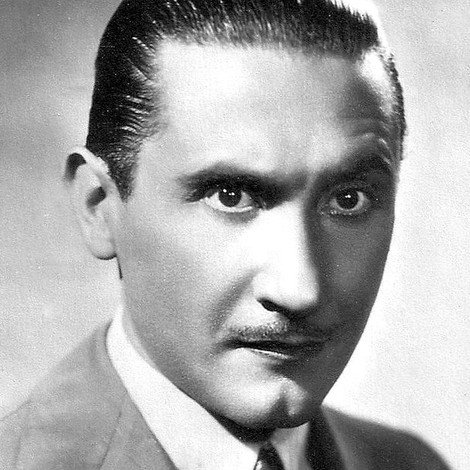
Paolo Stoppa
Biography
Known for

Once Upon a Time in the West
As the railroad builders advance unstoppably through the Arizona desert on their way to the sea, Jill arrives in the small town of Flagstone with the intention of starting a new life.

You Love Me, I Love You

Finalmente sì

The Leopard
As Garibaldi's troops begin the unification of Italy in the 1860s, an aristocratic Sicilian family grudgingly adapts to the sweeping social changes undermining their way of life.

Biraghin
Birdaghin is a dancer at La Scala in Milan whose rapid success also quickly goes to her head. Fortunately, everything will be fine.

Apparizione
One of the most famous movie stars of the moment has a problem with his car. The actor is obliged to stop in a provincial hotel, where he finds himself surrounded by his admirers.

Rocco and His Brothers
When a impoverished widow’s family moves to the big city, two of her five sons become romantic rivals with deadly results.

The Count of Monte Cristo
Young sailor Edmond Dantès is wrongfully imprisoned, escapes, finds treasure, and reinvents himself as the wealthy Count of Monte Cristo to exact revenge on those who betrayed him.

The Cheerful Squadron
The Cheerful Squadron is a 1954 Italian war-comedy film directed by Paolo Moffa and Interpreted by movie stars like Paolo Stoppa, Vittorio De Sica, Alberto Sordi and Silvana Pampanini. Based on the military environment novel The Allegro Squadron by Georges Courteline (1886), this film presents a series of sketches on military life in the late nineteenth century.

La signorina

Abbiamo vinto!

The Woman Who Came from the Sea


Becket
Thomas Becket, Henry II's longtime advisor, finds his friendship with the debauched king corroding when he is unwillingly appointed as Archbishop of Canterbury in an attempt to gain absolute loyalty from the Church.

The bitter case of the Baroness of Carini
Sicily 1812: the first liberal constitution shall put an end to the privileges of the feudal lords. Luca Corbara, sent by the Minister of Finance to control the landed properties, begins to suspect that the current Carini feud is made up of lands usurped more than two centuries before by the lover of the killed Baroness.