Personal Info
Known For
Gender
Birthday
Place of Birth
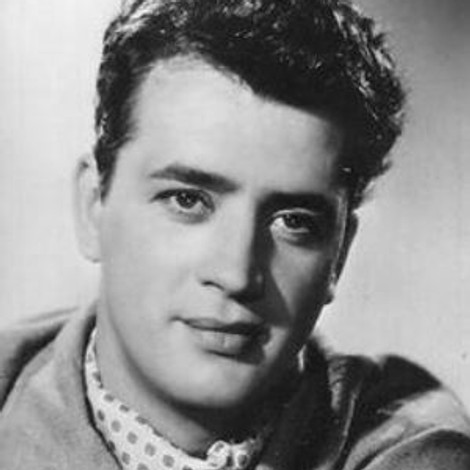
Bert Fortell
Known for

Scene of the Crime
Tatort is a long-running German/Austrian/Swiss crime television series set in various parts of these countries. The show is broadcast on the channels of ARD in Germany, ORF in Austria and SF1 in Switzerland.
Scene of the Crime
Tatort is a long-running German/Austrian/Swiss crime television series set in various parts of these countries. The show is broadcast on the channels of ARD in Germany, ORF in Austria and SF1 in Switzerland.
Scene of the Crime
Tatort is a long-running German/Austrian/Swiss crime television series set in various parts of these countries. The show is broadcast on the channels of ARD in Germany, ORF in Austria and SF1 in Switzerland.

Dalli Dalli
Dalli Dalli

Zum blauen Bock


The Commissioner
Der Kommissar is a German television series about a group of detectives of the Munich homicide squad. All 97 episodes, which were shot in black-and-white and first broadcast between 1969 and 1976, were written by Herbert Reinecker and starred Erik Ode as Kommissar Herbert Keller. Keller's assistants were Walter Grabert, Robert Heines, and Harry Klein who, in 1974, was replaced by his younger brother Erwin Klein.

Das Kriminalmuseum
Das Kriminalmuseum was a German television series. It ran from 1963 to 1970 on ZDF and was one of its first programs. Each episode began with a tracking shot through an unspecified crime museum, stopping at one of the displays, whose story was then told. Each episode was between 60 and 75 minutes long and featured different actors as the criminal commissioner. The best known was Erik Ode, who in 1969 moved to Der Kommissar, appearing in 97 episodes. The theme music of the series was written by German composer Martin Böttcher, who also composed the complete scores for five episodes.

Hallo – Hotel Sacher … Portier!
Hallo – Hotel Sacher … Portier! is an Austrian television series.


Josefine M.
Josefine is a young streetwalker in Vienna at the turn of the 20th century. She manages to sleep her way to the top by marrying a British aristocrat, and she delights in telling ribald stories of her sordid past to moralistic prudes.

Operation Walküre
"Operation Valkyrie" was the name of an official alarm plan during the Second World War. With the help of this plan, the conspirators around Claus Schenk Graf von Stauffenberg wanted to bring about the overthrow of Germany on July 20, 1944. The events are well known: Stauffenberg's assassination attempt failed, Adolf Hitler remained alive. In addition to the purely scenic reconstruction, this two-part, documentary-style film consists of interspersed interviews and reports with eyewitnesses and survivors who were directly involved. Everything that is available in the way of authentic testimony about July 20, 1944 is examined and documented with the highest degree of realism.