Personal Info
Known For
Gender
Birthday
Place of Birth
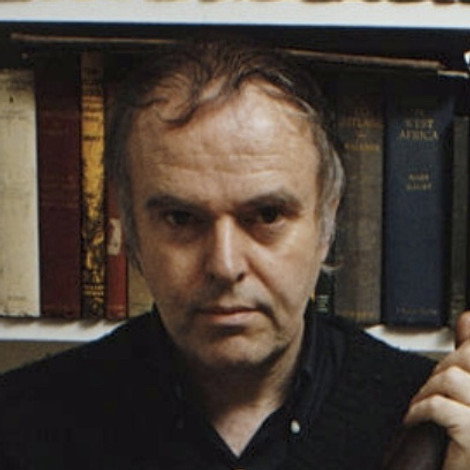
Kenneth Griffith
Biography
Known for
The Wednesday Play
An anthology series of television plays which aired on BBC1 from October 1964 to May 1970. The plays were usually written for television, although adaptations from other sources also featured.
Omnibus
Omnibus was an arts-based BBC television documentary series, broadcast mainly on BBC1 in the United Kingdom. The programme was the successor to the long-running arts-based series 'Monitor'. It ran from 1967 until 2003, usually being transmitted on Sunday evenings. During its 35-year history, the programme won 12 Bafta awards. Among the series' best remembered documentaries are Cracked Actor, a profile of David Bowie, and Rene Magritte, a graduate film by David Wheatley, 'Madonna: Behind the American dream', a film produced by Nadia Hagger, and a profile of the British film director Ridley Scott. For a season in 1982, the series was in a magazine format presented by Barry Norman. The series was replaced by 'Imagine' hosted by Alan Yentob.
Thirty-Minute Theatre
An anthology of short plays shown on BBC Television between 1965 and 1973, used in part at least as a training ground for new writers, on account of its short length, and which therefore attracted many writers who later became well known.

Sunday Night Theatre
Sunday Night Theatre was a long-running series of televised live television plays screened by BBC Television from early 1950 until 1959. The productions for the first five years or so of the run were re-staged live the following Thursday, partly because of technical limitations in this era, and the theatrical basis of early television drama. Some of the earliest collaborations between Rudolph Cartier and Nigel Neale were produced for this series, including Arrow to the Heart and Nineteen Eighty-Four. The Sunday night drama slot was subsequently renamed The Sunday-Night Play which ran for four seasons between 1960 and 1963. ITV transmitted its own unrelated run of Sunday Night Theatre between 1971 and 1974.
The Prisoner
After resigning, a secret agent is abducted and taken to what looks like an idyllic village, but is really a bizarre Kafkaesque prison. His warders demand information. He gives them nothing, but only tries to escape.
The Prisoner
After resigning, a secret agent is abducted and taken to what looks like an idyllic village, but is really a bizarre Kafkaesque prison. His warders demand information. He gives them nothing, but only tries to escape.
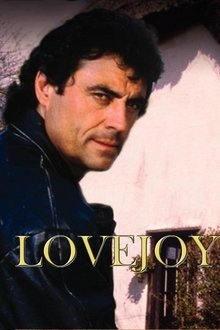
Lovejoy
The adventures of the eponymous Lovejoy, a likeable but roguish antiques dealer based in East Anglia. Within the trade, he has a reputation as a “divvie”, a person with an almost supernatural powers for recognising exceptional items as well as distinguishing genuine antique from clever fakes or forgeries.
Churchill's People
Churchill's People is a British anthology series based on A History of the English-Speaking Peoples, Winston Churchill's four-volume history of Britain and its former colonies. 26 episodes were produced by the BBC and initially broadcast from 30 December 1974 to 23 June 1975.

Drama 61-67
Drama 61-67 is anthology drama series which took a different title, based on year of transmission, each year. It alternated with Armchair Theatre from ABC in the Sunday evening slot. The series was described at the time as epitomising ATV drama.

Shaka Zulu
South Africa, 1823. The Zulu Empire, headed by King Shaka, a brilliant but ruthless military strategist, begin to encroach on the British colony of Cape Town. A volunteer cadre of explorers, mercenaries and professional soldiers are sent to Zululand to try to make contact with Shaka and assess the real threat of his army.
Festival
An anthology of single plays offering up adaptations of either of prominent stage plays or novels.
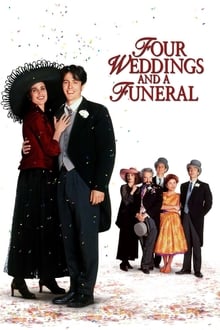
Four Weddings and a Funeral
Over the course of five social occasions, a committed bachelor must consider the notion that he may have discovered love.