
Personal Info
Known For
Gender
Birthday
Place of Birth
William Thomas
Biography
Known for

Doctor Who
The Doctor is a Time Lord: a 900 year old alien with 2 hearts, part of a gifted civilization who mastered time travel. The Doctor saves planets for a living—more of a hobby actually, and the Doctor's very, very good at it.
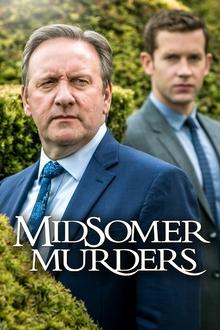
Midsomer Murders
The peacefulness of the Midsomer community is shattered by violent crimes, suspects are placed under suspicion, and it is up to a veteran DCI and his young sergeant to calmly and diligently eliminate the innocent and ruthlessly pursue the guilty.

Doctor Who
The adventures of The Doctor, a time-traveling humanoid alien known as a Time Lord. He explores the universe in his TARDIS, a sentient time-traveling spaceship. Its exterior appears as a blue British police box, which was a common sight in Britain in 1963 when the series first aired. Along with a succession of companions, The Doctor faces a variety of foes while working to save civilizations, help ordinary people, and right many wrongs.
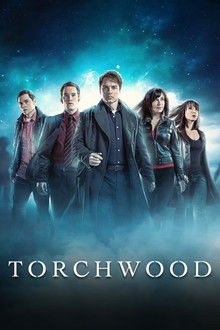
Torchwood
The exploits of a team of people whose job is to investigate the unusual, the strange and the extraterrestrial.
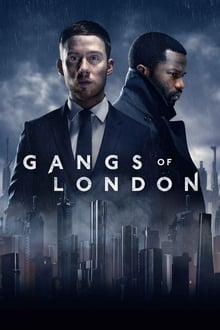
Gangs of London
When the head of a criminal organisation, Finn Wallace is assassinated, the sudden power vacuum his death creates threatens the fragile peace between the intricate web of gangs operating on the streets of the city. Now it’s up to the grieving, volatile and impulsive Sean Wallace to restore control and find those responsible for killing his father.

Only Fools and Horses
Only Fools and Horses.... Is a British sitcom created and written by John Sullivan. Seven series were originally transmitted on BBC One from 1981 to 1991, with sixteen sporadic Christmas specials aired until 2003. In working-class Peckham in south-east London, ambitious market trader Derek 'Del Boy' Trotter and his younger half-brother Rodney, explore their highs and lows in life, in particular their attempts to get rich. Initially not an immediate hit and receiving little promotion early on, it later achieved consistently high ratings, and the 1996 episode "Time on Our Hands" (originally billed as the series finale) holds the record for the biggest UK audience for a sitcom episode, attracting 24.3 million viewers. The series bears a significant influence on British culture, contributing several words and phrases to the English language.
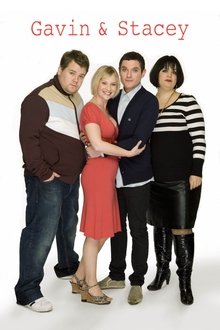
Gavin & Stacey
Essex and Wales collide when Gavin and Stacey fall in love - bringing their friends, family and baggage with them.
Gavin & Stacey
Essex and Wales collide when Gavin and Stacey fall in love - bringing their friends, family and baggage with them.
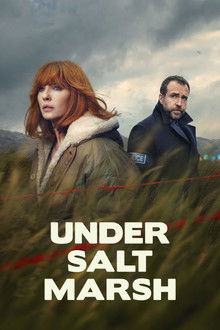
Under Salt Marsh
Morfa Halen is a tight-knit Welsh town precariously nestled between towering mountains and a fast-encroaching sea that threatens its very existence. As a once-in-a-generation storm begins to gather far out at sea, former detective turned teacher Jackie Ellis discovers the body of her 8-year-old pupil, Cefin, seemingly drowned. The discovery sends shockwaves through the community, reviving the ghost of an unsolved cold case that rocked the town three years prior - the disappearance of Jackie’s niece, Nessa, which cost her career.

The One That Got Away
The shocking murder of a nurse opens old wounds in a small-town community, throwing a historic conviction into doubt, raising the horrifying prospect of a copycat killer and reuniting two former lovers tasked with finding the killer.
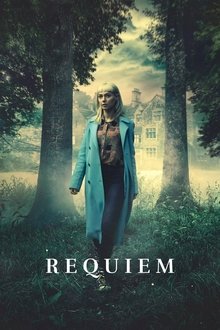
Requiem
In 1994, a toddler disappeared from a small Welsh village, never to be seen again. 23 years later, in London, the mother of rising cello star Matilda Gray commits suicide, without apparent reason. Among her possessions, Matilda discovers tantalising evidence, linking her mother to the Welsh girl's disappearance all those years ago.

The Pembrokeshire Murders
Detective superintendent reopens two unsolved murder cases from the 1980s. Forensic methods link the crimes to a string of burglaries. Steve's team has to find more evidence before the perpetrator is released from prison.
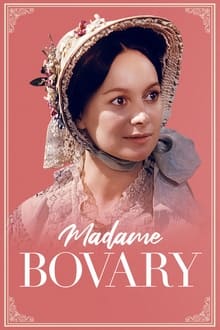
Madame Bovary
In 19th-century France, doctor's wife Emma Bovary seeks to escape her dull provincial life through various extramarital affairs and extravagant spending, leading to tragic consequences.
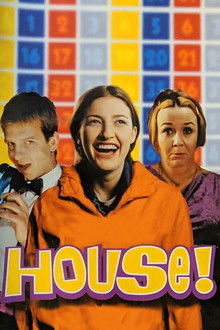
House!
A small bingo hall is threatened by the opening of the country's largest bingo centre nearby.
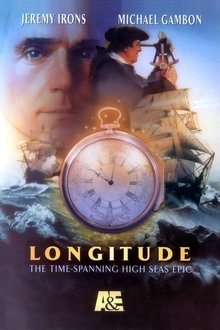
Longitude
The fascinating story of John Harrison who, in the 18th century, believed he could make a clock that would work on board a ship—and so solve the problem of finding longitude at sea.