Personal Info
Known For
Gender
Birthday
Place of Birth
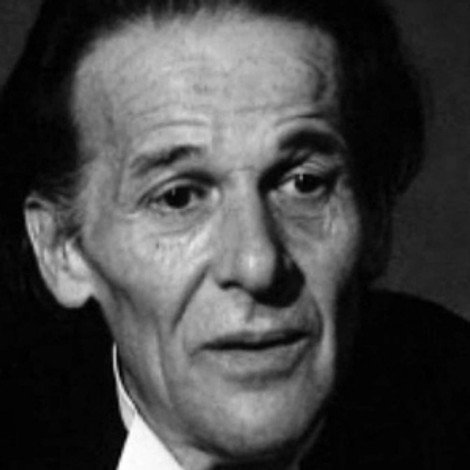
François Simon
Biography
Known for

Spécial cinéma
Marcello Mastroianni, Isabelle Adjani, Alain Delon, Martin Scorsese, Woody Allen... the biggest stars in cinema were welcomed by Christian Defaye on his show Spécial cinéma. Between intimate confessions from actors and immersion in the world of the greatest filmmakers, Christian Defaye took viewers on a journey into the fascinating world of cinema for nearly thirty years.
Ciné regards
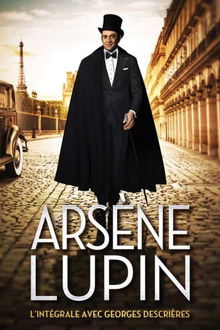
Arsène Lupin
Arsène Lupin is a French TV show which was co-produced with German, Canadian, Belgian, Dutch, Swiss, Italian and Austrian TV stations. It was only loosely based on Maurice Leblancs novels. Georges Descrières' portrayal of Arsène Lupin showed more similarity to Graf Yoster than to Maurice Leblanc's original. He behaved in the first place as a perfect gentleman who never got angry. He was always relaxed, because whatever could possibly had bothered him in daily life was taken care of by his butler. It wasn't questioned how he had come to his financial independence although the series sometimes discreetly implied that he was a professional criminal. Besides rescuing damsels in distress Lupin took on criminals, competing with their wit and intelligence. Either he stole paintings from rich people who had to be considered white-collar criminals or he acted as a detective who derailed criminal schemes. However, when he was attacked, he could defend himself effortlessly by using elegant jujutsu methods. Among the guest stars were German actors such as Günter Strack and Sky du Mont. Jean-Paul Salomé said in his commentary on the DVD version of his film Arsène Lupin he had like this series as a child. German TV, one the investors, would broadcast the show eventually between 18:00-20:00 o'clock because it was only allowed to show commercials within that very timeslot. For them to get a financial return on investment the show had to be appropriate for families and also for children who would watch it alone. Subsequently it was nearby to ask to defuse and flatten some of Leblanc's plots in order to avoid possible complaints that could force the station to broadcast the show beyond the "Vorabendprogramm".

The Invitation
Rémi, a confirmed bachelor and model bureaucrat, invites his colleagues and superiors to a magnificent house to celebrate an inheritance. Under the influence of drink, they drop all pretence and reveal their true selves. But what will remain of this brief interlude the following day?
Les nénuphars
Arthur and Marcel, two firemen, keep boredom at bay by improvising on stage, one on a keyboard the other on drums, tunes, poems and songs. Carol arrives, in search of her lover Armand. Accompanied by the musicians, she sings of her strange loves.
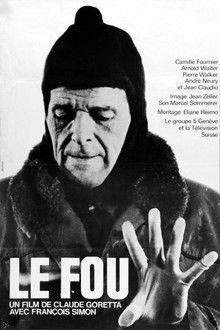
The Madman
George is a middle-aged man who lives with his disabled wife. He faces dire financial straits after an investment firm wipes out his life savings and forces him into early retirement. Consequently, he becomes increasingly disillusioned and desperate, which ultimately drives him to the brink of insanity.
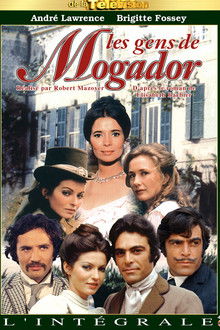
Les Gens de Mogador
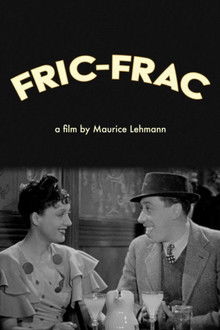
Fric-Frac
An employee at a jewelry store falls in love with a woman who secretly plans to rob the store.
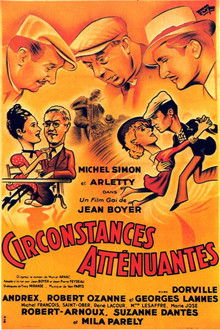
Extenuating Circumstances
Harsh Parisian judge Gaetan (known as Monsieur Maximum), chafing in the idleness of retirement, leaves for a seaside holiday. But Gabriel the chauffeur has his mind on his girl, not the car; Gaetan and wife Nathalie are stranded in the country, where they find shelter in a low class bistro patronized by cheerful jail birds. Once the ice is broken, they have a wonderful time, but as the judge tries to trick his new friends into reforming, inevitable exposure approaches...
lulu
Les Grands Détectives
The Suspended Vocation
The film centers on a Dominican monk named Jérôme (played by one actor in colour and another actor in black-and-white) and his interactions with various higher-ups within the French Catholic Church. Ruiz's intention was to reflect the ideological arguments that plagued Latin American left-wing political parties.
Flesh of the Orchid
A disturbed young woman is kept prisoner in a castle by her aunt for her money. The game-keeper, her guardian, tries to rape her but she escapes. In her flight she meets a man also running away, from two killers.
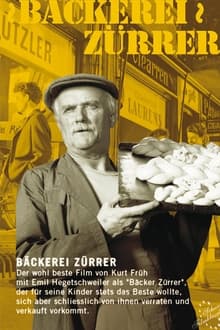
The Zürrer Bakery
Widowed baker Zürrer has to raise his three children, who all turn out to be disappointments to him in various ways.
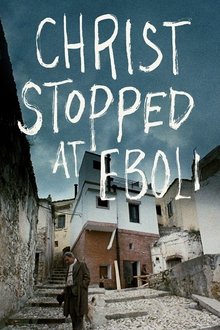
Christ Stopped at Eboli
In the fascist Italy of 1935, a painter trained as a doctor is exiled to a remote region near Eboli. Over time, he learns to appreciate the beauty and wisdom of the peasants, and to overcome his isolation.