
Personal Info
Known For
Gender
Birthday
Place of Birth
Sadako Sawamura
Biography
Known for

Tōkyō no josei
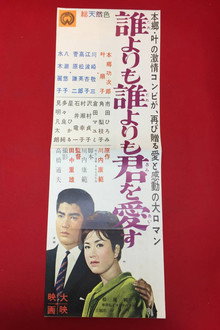
Dare yori mo dare yori mo kimi o aisu

Love Letter
Five years after the end of the Second World War, Reikichi, a repatriated veteran, translates love letters for Japanese women to American GIs, while searching for his lost love, Michiko.

おれの義姉さん
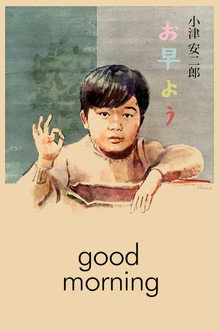
Good Morning
Two boys beg their parents for a television set, nagging them until all patience is lost. The parents order the boys to be quiet and the boys do exactly that--refusing to utter a word. The boys' silence ultimately puts the whole neighborhood into turmoil.

Hikarugake
The drama depicts the fateful meeting and falling in love between a man living in the glamorous world of the fashion business and a woman living in the social reality of law and order.

Musuko
A series of mysterious robberies at gas stations across Tokyo and a seasoned detective with no leads—until his runaway son suddenly emerges as a suspect.
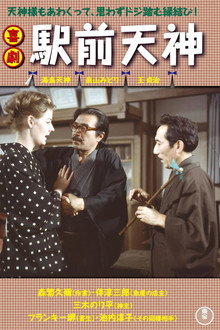


A Story from Echigo
A sake factory worker on holiday returns to his home town, where he rapes the wife of one of his co-workers in the forest. The other man returns home to find his wife changed and suspects that she has been unfaithful.

Duel in Senjo Mountain
Set against the backdrop of the Warring States period, this thrilling period drama follows the "Demon of Iga," a bloodthirsty and resolute Koga-ryu ninja Sarutobi Sasuke.

Husband on the Run
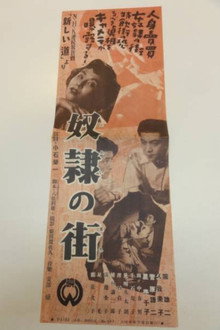
Dorei no machi
Yosuke Machida of the Daito Shinpo hears from a boy named Toshi-bo, whom he found on the street, that Toshi-bo’s older sister, Toyo, was deceived by a man named Taichi Tachikawa and sold into prostitution in a red-light district. He then set foot in this district for the first time and met Michiko Kawabe, a female reporter known by the nickname “Yoshie.” After hearing various details about the situation from her, he learned that Toyo was at “Kotogawa.”
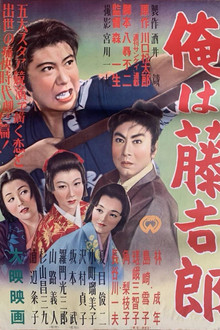
I Was Tokichiro

Night Bitch
A playboy bartender pretends to be gay in order to approach women. He is in cahoots with another opportunist, a young woman who is trying to seduce a rich married man. Their attempts at making easy money can only end tragically.