Personal Info
Known For
Gender
Birthday
Place of Birth
Akiko Koyama
Known for

In the Realm of the Senses
A passionate telling of the story of Sada Abe, a woman whose affair with her master led to an obsessive and ultimately destructive sexual relationship.

Yokomizo Seishi Series
TV series starring Ikko Furuya, based on the Kosuke Kindaichi mystery novel series by Seishi Yokomizo.

Empire of Passion
A married woman and her lover murder her husband and dump his body into a well, but his ghost returns to haunt them as the local gossip intensifies.

Tasukenin Hashiru
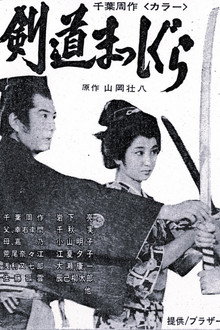
Chiba Shusaku: Kendo Masshigura
Chiba Shusaku: Kendo Masshigura is a Japanese period drama that aired on the TBS network from November 2, 1970 to August 30, 1971 in the "Brother Gekijo" slot. It ran for 44 colour episodes of 30 minutes each. Based on Sohachi Yamaoka's novel "Chiba Shusaku", it depicts the youth of Chiba Shusaku, founder of the Hokushin Itto-ryu school of swordsmanship. A hot-blooded young man who calls himself Shusaku enters the dojo of Asari Matashichiro and, through encounters with all kinds of people, grows rapidly both in swordsmanship and in character. Produced by TBS and Shochiku. Rerun on the Japanese CS channel Jidaigeki Senmon Channel from March 17, 2025.

Sanada Taiheiki
The drama tells the story of the Sanada family. Originally serving the Takeda Clan they ruled the northern district of Shinano. The story begins right after the death of Takeda Shingen, continues through the rise of Tokugawa Ieyasu who founded the Tokugawa shogunate and covers roughly the period 1580-1610.

Death by Hanging
A Korean man is sentenced to death in Japan but somehow survives his execution, sending the authorities into a panic about what to do next.

Tange Sazen
The loyal Sōma clan samurai Tange Samanosuke is attacked and mutilated as the result of a betrayal, losing his right eye and right arm. He then begins to lead the life of a nihilistic ronin, using the pseudonym Sazen.

The Dawn of Asia
A TV drama consisting of thirteen episodes about the trans-China/Japan collaboration of revolutionaries in the early twentieth century. It was Nagisa Oshima’s rare attempt to direct a TV drama in a social atmosphere in which Japan was embracing postwar prosperity as well as the effects of permeating mass media. Making an effort to reach out to the mass audience through a seemingly conventional method of filmic representation, Dawn of Asia takes up the epic of trans-Asiatic solidarity while challenging nationalism on both sides.

Onna: Sono Ai no Series
Collection of short stories about women in various periods of Japanese history. Based on famous Japanese novels.

The Ceremony
Oshima’s magisterial epic, centering on the ambivalent surviving heir of the Sakurada clan, uses ritual and the microcosm of the traditional family to trace the rise and fall of militaristic Japan across several decades.
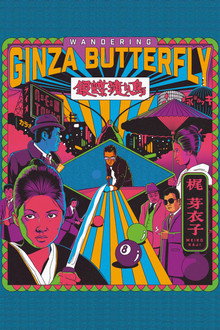
Wandering Ginza Butterfly
Nami "The Red Cherry Blossom" returns to her old stomping ground in the seedy Tokyo district of Ginza after a stint in prison for killing a yakuza boss. She soon settles in, living in her uncle's pool hall and working at the local hostess club. But when ruthless yakuza Ōwada attempts to take control of the club, Nami and her uncle devise a plan to take him down.

Violence at Noon
Two young women must come to terms with the fact that a man they're deeply linked to is a murdering rapist.

Manji
Kleptomaniac Sonoko and young, beautiful Mitsuko begin an unusual love affair which develops fast into a kinky sexual love triangle when Sonoko’s husband gets involved.

Boy
A family of four lives off of scams in which they pretend to be injured by automobiles.