
Personal Info
Known For
Gender
Birthday
Place of Birth
Léa Garcia
Biography
Known for
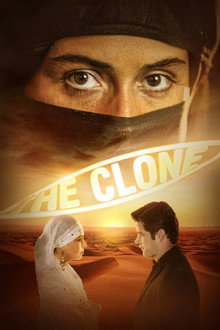
The Clone
Human cloning. The Islamic world. Two young people, two different cultures, two different beliefs. An impossible love story that not even time could erase. During a trip to Morocco, Lucas has a forbidden romance with Jade. He returns to Brazil after the death of his twin brother Diogo. A close family friend, scientist Albieri uses this situation to produce the first human clone using cells taken from Lucas. Twenty years later, Jade, Lucas and his clone form an odd love triangle.

Isaura: Slave Girl
Set in 19th-century Brazil during the waning years of slavery, Escrava Isaura tells the story of Isaura, a white-skinned enslaved woman raised with the manners and education of a noble lady. Though treated with affection by her mistress, Isaura remains legally enslaved and becomes the object of obsessive desire by Leôncio Almeida, the cruel heir to the plantation. After the death of her protector, Isaura falls under Leôncio’s control. Despite his attempts to seduce and dominate her, she resists, determined to preserve her dignity and freedom. Her father, Miguel, helps her escape to Recife, where she adopts a new identity and meets Álvaro, a wealthy and principled abolitionist who falls in love with her. Leôncio eventually tracks her down, leading to dramatic confrontations. In the end, Álvaro rescues Isaura by purchasing Leôncio’s debts, securing her freedom and affirming the story’s central themes of justice, love, and resistance against oppression.

Selva de Pedra
Amidst an unresolved crime, Simone protects Cristiano and falls in love with him. However, the couple faces ambition and betrayals that tear them apart. Presumed dead, she returns under a new identity seeking revenge.

Jerônimo, o Herói do Sertão

Большая засада

O Homem Que Deve Morrer

Sunshine
At her birthday party, a little girl disappears and her family is left desperate. Years later, their hope returns in the form of a seaside young woman.

Mild Poison
Waldomiro Cerqueira is a powerful businessman who built his empire exploiting mineral deposits and suddenly finds himself under threat of losing it due to family conflicts.

Evil Angel
Ambitious Nice seeks social advancement through Rodrigo Medeiros, but ends up truly falling in love with him. This is the second version of the telenovela, originally aired in 1976.

Minha Doce Namorada
Patricia, an orphan living in a traveling amusement park, believes the stars will bring her happiness. One day, an astrologer predicts the impossible: the young woman, an Aquarius, will fall in love with a Pisces boy, a sign initially incompatible with hers. The girl does, in fact, become enchanted by the wealthy student Renato, but he doesn't feel the same way. Patricia travels to Rio de Janeiro, where she befriends a gentleman whom she affectionately calls Mr. Pepe, unaware that he is Renato's great-uncle and the owner of the company where she begins working. Mr. Pepe discovers fraudulent activities committed by his family and decides to fake his death to observe the dispute over his inheritance.

Cidadão Brasileiro

Fogo Sobre Terra
The plot takes place in a fictional city called Vale do Café, where two powerful families, the Toledo and Fontes, are locked in an intense dispute for power and land ownership. Conflicts are marked by betrayals, forbidden loves and dark secrets. The soap opera addresses themes such as ambition, revenge, romance and conflicts between families, showing the fire that consumes the land and human relationships.

Araponga
The cunning Senator Petrônio Paranhos gives an interview to the beautiful journalist Magali Santanna, who is interested only in his affair with Arlete—an ambitious young woman intent on conceiving the older man's child via in vitro fertilization. To land this scoop, Magali agreed to interview the politician in a motel room, a condition he had insisted upon. However, Paranhos suffers a sudden collapse and dies during the interview. Detective Aristênio Catanduva, who had been keeping the senator under surveillance, investigates the case. Known by the codename "Araponga," he is a bumbling figure working for the Federal Police following his long service to the military regime.

Cinépanorama
