Personal Info
Known For
Gender
Birthday
Place of Birth
Venczel Vera
Known for

Egy óra múlva itt vagyok…

Televíziós Mesék Felnőtteknek
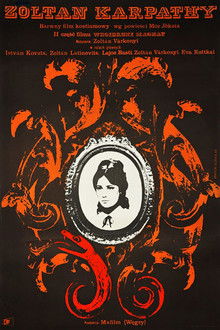
A Hungarian Nabob 2: Karpathy Zoltan
On the novel by Mór Jókai. The first half of the XVIII century. Several decades of life of a noble family Karpati.
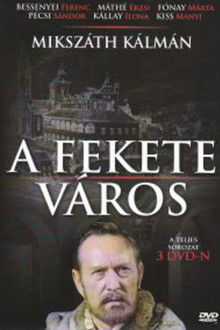
Stars of Eger
This romantic and grandiose historical film depicts the era of the constant incursions and heroic battles fought by the defenders of the castle of Eger, led by captain István Dobó, against the heavy odds of superior numbers through the lives and love of Bornemissza Gergely and Cecey Éva. Gergely is inaugurated as a fighter already at the age of 7, when he escapes the captivity of the half-eyed Turk, Jumurdzsak, with Vica and the war-booty. In thirty years' time he becomes the first assistant of captain Dobó and the brain of the castle in the defence of Eger.
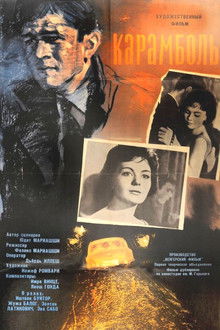
Collision
Terpinkó, the bragging man of muscle likes womanising linked with betting: conquering is a great fun for him. He bet one to a hundred on his new boss, Éva. But the wife of the engineer handles all his tricks with annoying benevolence. Terpinkó falls in love with her and therefore he cannot stand her not returning his feelings.
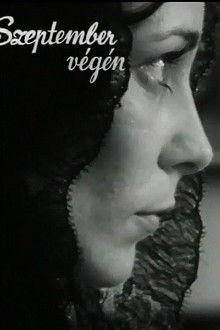
At the End of September
Young Petőfi Zoltán the son of the great Hungarian poet, Petőfi Sándor, feels as though he were a stranger in the house of his mother and stepfather. Off he goes, finding work in Debrecen, where his theatrical and literary career and love all seem to be on their way.
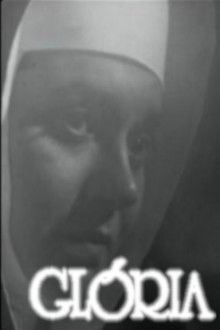
Glória
A TV movie version of István Örkény's short novel. The fate of Sister Glória, or Ilona Tarr, who has lived in a convent since her childhood, in the historical situation after 1948, when the nuns' orders were dissolved in our country. The film presents the reality of this extraordinary fate with lyrical beauty. At the age of 26, Gloria is taken out of the closed and safe world of the convent - both spiritual and everyday - and into a changing reality with shifting values. In the course of conflicts, while maintaining her individuality and integrity, she finally finds her place among everyday people.
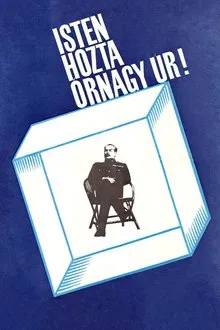
The Tóth Family
The Tóth family resides in Northern Hungary. The couple has a daughter and a son, the latter a member of the armed forces. When his weary major is ordered to take a vacation, the son talks him into a visit to his family home. Hilarity ensues when the Tóths go overboard trying to make things pleasant for the visiting major in hopes of an easier life for their son, the soldier.

Bálint Fábián Meets God
In 1918, Fábián Bálint is forced to kill on the Italian front. At home, his sons drown the priest, the lover of their mother, in the river Kraszna, an action that drives her insane. Following his return home, Bálint becomes the liveried coachman of the baron.

Bubble Bath
Zsolt Mohai, an eccentric shop window decorator in his 40s, drops by Anna Parádi on his wedding day, asking her to phone his bride Klára Horváth and call off the event. Drama, discussions and musical numbers ensue over topics like romance, loyalty, ambition, and settling for a family life in a modern day city.

Liszt Ferenc
In einer Stunde bin ich wieder da
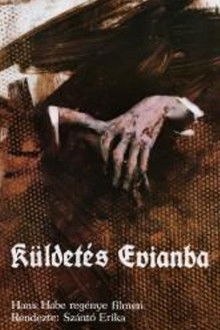
Küldetés Evianba
In the summer of 1938, a month after the annexation of Austria and a year before the outbreak of war, the world's diplomats gather for a Refugee Conference in Evian, Switzerland. Here the Nazis send the highly respected Professor Benda, whose task it is to convince the diplomats to buy the lives of half a million Jews from Germany for ten million dollars. But no one, not even the Jewish representatives, can be convinced that the truly diabolical deal - the Germans would use the money to arm themselves - is the only chance to save human lives... The author of the original piece, Hans Habe, himself attended the conference as a young journalist. In his novel, written a quarter of a century later, he explores the world's responsibility.