Personal Info
Known For
Gender
Birthday
Place of Birth
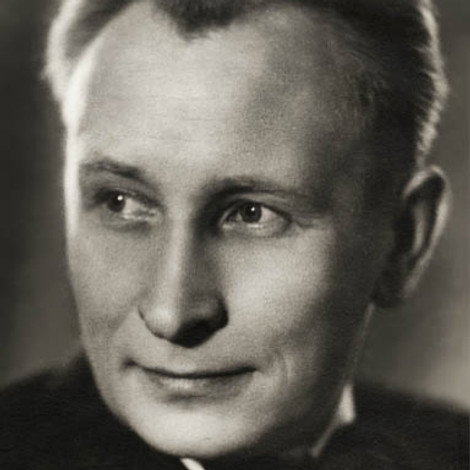
Pavel Sukhanov
Known for

Fuse
Fitil is a popular Soviet/Russian television satirical/comedy short film series which ran for about 500 episodes. Some of the episodes were aimed at children, and were called Фитилёк, Fitilyok, Little Fuse. Each issue contained from the few short segments: documentary, fictional and animated ones. Directed by various artists, including Leonid Gaidai who presented his famous trio of Nikulin, Vitsin and Morgunov into the cast. It was called in USSR as "the anecdotes from the Soviet government".

The First Trolleybus
Svetlana, young pretty girl, works as a trolleybus driver in a small town and almost all her permanent passengers are at least a little bit in love with her.

Tiger Girl
The story is about heiress of the circus family who organizes show "Let's get married" right in the cage for the tigers. Famous motorcyclist Fedya Yermolaev is invited to the circus for a ‘death-defying number’ – to perform a jump on a motorcycle under the big dome! Lena, a custodian at the circus, dreams of becoming a tiger tamer. Stray tigers growl and frighten. Lena enters the cage and...

The New Moscow
A comedy about a naive young architect and his wild designs for a “New Moscow.” The Soviet censors weren't at all amused and shelved it.

Schweik is Preparing For Battle


A Long Cat Tale
In this whimsical television play based on a fairy-tale by Karel Čapek, an enterprising detective goes on a globe-trotting adventure to catch a mysterious wizard.

Three Fat Men
A fairy tale film about the clever tightrope walker Tibule, who fights alongside the armorer Prospero and all the working people against the tyrants, the three Fat Men, who rule the state until the young heir Tutti comes of age. The freedom fighters are aided by the kind Dr. Gaspar and the brave acrobat girl Suok, who has to pretend to be a doll to sneak into the palace and free Prospero.

The Meek One
Having married a poor girl, the moneylender tries to take out his anger for the injustices he has suffered in life on the helpless orphan, hoping that she will live meekly, constantly begging for his noble soul. However, Anna enters into an irreconcilable moral battle with her husband.


Colorful Stories
The television adaptation of the play by the Leningrad Comedy Theatre, staged and designed by Nikolai Akimov.


Tsarevich Prosha

Professor Mamlock
Based on a play by a German-Jewish exile in Moscow, Friedrich Wolf, and directed by an Austrian-Jewish exile in Moscow, Herbert Rappaport, the film tells with the story of an apolitical humanitarian Jewish doctor and his politically-aware, fascism-resisting son, an intern, as their lives become entangled with the Nazis’ rise to power in 1930s Germany, where they live and practice. Things come to a head when the Nazi organization takes control of their hospital, and place a rabid antisemitic physician in charge over Mamlock and his staff.
