
Personal Info
Known For
Gender
Birthday
Place of Birth
Anita Caprioli
Biography
Known for

Crimes
Anthology crime series penned by some of the foremost contemporary Italian noir writers (Camilleri, Faletti, De Cataldo, Carofiglio, Lucarelli, Fois...)
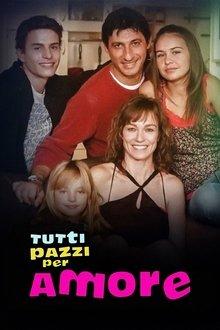
Everyone's Crazy About Love
Paolo Giorgi and Laura Del Fiore, coincidentally approaching their forties, find themselves sharing the ups and downs of life with growing children, extended families, and a hilarious love story.

Vita da Carlo
Carlo Verdone plays himself by portraying the drama and the comedy of his private life and his relationship with a loving and oppressive mother: Rome.

The Champion
Christian is an extremely talented as well as unpredictable football player. After his latest screw-up, the president of his team decides to assign him a personal tutor, to help him in controlling his temper. Valerio is a shy and solitary professor, the exact opposite of the champion. Sparks will fly between the two at first, but soon their relationship will change both for the better.
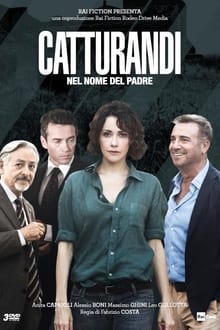
Catturandi - Nel Nome del Padre

Liberi tutti
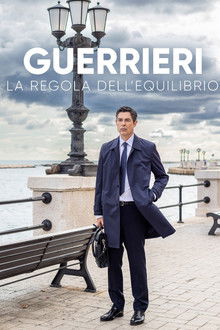
Guerrieri - La regola dell’equilibrio


Ridatemi mia moglie
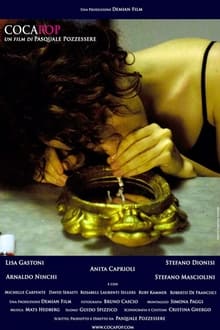
Cocapop
An apartment on one of Rome's seven hills turns into a film studio for shooting three different stories about cocaine.
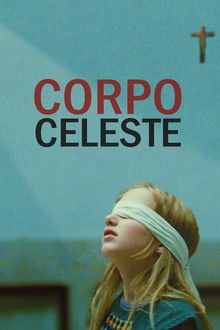
Corpo Celeste
After growing up in Switzerland, 13-year-old Marta returns to a city in southern Italy with her mother and older sister. Independent and inquisitive, she joins a catechism class at a local church. However, the games and religious pop songs she encounters there do not nearly satisfy her interest in faith. Struggling to find her place, Marta pushes the boundaries of the class, the priest, and the church.

The Predators
This is the story of two completely opposite households: the Pavone are intellectual and bourgeois, the Vismara are proletarian and fascists. They are two tribes sharing the same jungle: Rome. A trivial accident brings these two poles together. The madness of a 25-year old youth will set them on a collision course, discovering the cards to reveal that everyone has a secret. People are never what they seem – but we are all predators in the end.

We Want Roses Too
The film looks again at recent events from a female point of view, through the first-hand accounts provided by the diaries of three women. Rather than focusing on the alleged objectivity of facts, the film gives space to a chorus of voices that narrate those events in first person, visually supported by archival footage of the period, drawn from the most varied sources - institutional, public, militant and private. Anita, Teresa and Valentina come from different Italian regions and different social backgrounds, but share the same feelings: they no longer feel as part of a society based on the patriarchal family, on the power of "husbands" and on the supremacy of males, which requires them to be efficient mothers, obedient wives and virtuous daughters.

Sisters Forever
Two previously unknown families see their lives turned upside down when a seemingly insignificant mistake leads them to a shocking discovery about their children's identities. The film is based on a true story.