Personal Info
Known For
Gender
Birthday
Place of Birth
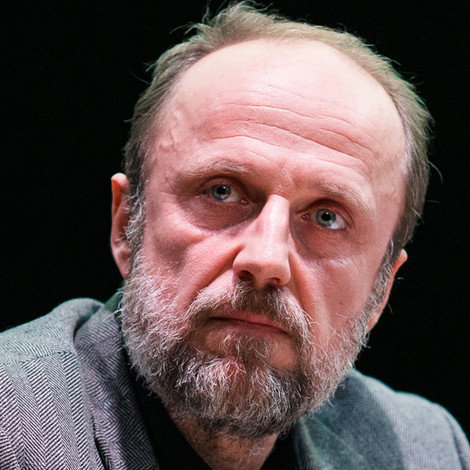
Łukasz Simlat
Known for

Kryminalni
Kryminalni was a Polish crime drama television series that aired on TVN network from September 18, 2004 until May 24, 2008. It ran for 8 seasons and 101 episodes were broadcast in total. It was created by Polish director and screenwriter Piotr Wereśniak and produced by MTL Maxfilm studio. The series followed life and work of police officers from the elite Criminal Terror and Murders Division of the Warsaw Metropolitan Police; the title refers to police officers in the crime section. The three main characters were Adam Zawada, an experienced, tough cup, his younger colleague Marek Brodecki and Barbara Storosz, an ambitious female officer who in the first season joins the team just after graduating. Although none of the main actors had had star status before the series debuted, all three of them rose to prominence and popularity during the 5-year-long run. Many of Poland's best known actors guest starred, usually playing roles of people involved in just one particular investigation. The serial was one of the most popular in Poland: each week it had an audience of 4 million.
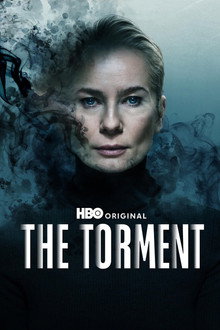
The Torment
Kama returns to her hometown and gets entangled in an old missing case. Family secrets, passions and crime reveal that the past never falls silent.

BrzydUla
Uli Cieplak - who is not very pretty, but hardworking and smart - finds employment in the renowned fashion house Febo & Dobrzański. Despite her unattractive appearance, with diligence she climbs the career ladder while secretly having a crush on her boss, Marek Dobrzański, the president of the company.

BrzydUla 2

The Mire
The town is shocked with a brutal double murder. The "Courier" hands the case to an experienced journalist - Witold Wanycz. At the same time, he learns about the mysterious suicide of two teenagers. Together with Piotr, a young journalist, they start their own investigation.

In Treatment
Exploring one of the defining features of modern society, therapy, as seen through the eyes of a psychiatrist whose professional and personal life is on the verge of collapse.

Dom
The story of the residents of a tenement house on Złota Street in Warsaw from 1945 to 1980.

Pitbull
The dark world of crime: murders, racketeering, drugs, kidnappings. There are no rules here. Working in this world makes cops cynical and ruthless. There is a fine line between them and criminals - will any of them cross it? The main characters are officers from the Department for Counteracting Criminal Terror and Homicides. The action of the series is an extension of the threads that appear in the feature film. It presents in a realistic way the brutal and dark world of crime that officers encounter on a daily basis. They're not just tracking down murderers. They fight racketeering, kidnapping, drug trafficking while struggling with their own day to day life and problems.

Into Deep Water
A group of social welfare workers led by their new director tries to provide necessary aid to people struggling with various problems.

The Teacher
A Polish teacher moves to a provincial town and gets involved in investigating the brutal murder of a high school girl. He learns more and more about the mysteries of this murder, revealing corruption and fraud among local elites.

The Pact
Piotr Grodecki is an investigative journalist uncovering corruption and scandals at the highest levels of government.

Diagnosis
Sometimes, a single unexpected event can irreversibly alter one's life. What would happen, if one day you were to wake up and discover, that you don't know who you are, who you love or care about? Is fate cruel enough to take everything, including your identity and memories? How can you piece together your new life, when you're missing the building elements of who you are?

On the Edge
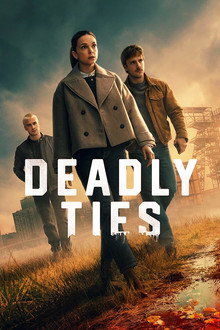
Deadly Ties
A continuation of the *Śleboda* series, centering on anthropologist Anka Serafin and journalist Sebastian Strzygoń. This time, the story takes us to Upper Silesia.

1983
Twenty years after a devastating terrorist attack in 1983 that halted the course of Poland's liberation and the subsequent downfall of the Soviet Union, an idealistic law student Kajetan and a disgraced police investigator Anatol stumble upon a conspiracy that has kept the Iron Curtain standing and Poland living under a repressive police state.