Personal Info
Known For
Gender
Birthday
Place of Birth
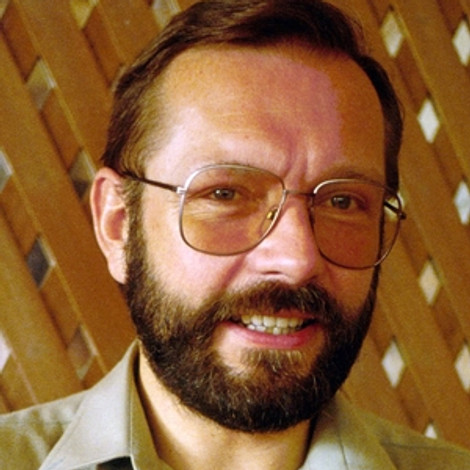
Krzysztof Zanussi
Biography
Known for

Sternstunden
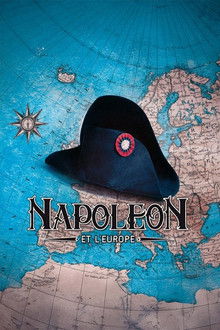
Napoleon
The miniseries charts Napoleon Bonaparte’s career from his return after the Egyptian campaign to his downfall and exile on Elba, portraying his political maneuvering, military ambition, and complex relationships with key figures such as Talleyrand, Fouché, Murat, Tsar Alexander, Joséphine de Beauharnais, and Countess Marie Walewska.
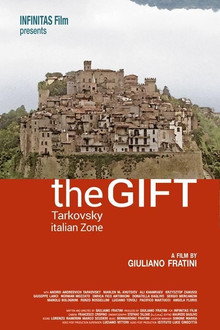
The Gift
After the release of "Nostalgia", Andrei Tarkovsky runs out his Soviet authorities permission to work abroad: he has to go back home. But he understands from the messages of some friends and colleagues that his life in Russia would be even tougher than before. So he then decides to break with Soviet authorities and, a year before the Milan Conference of 1984 during which he will announce publicly his decision, he leaves his friends that are hosting him in Rome and takes refuge in a secret location.
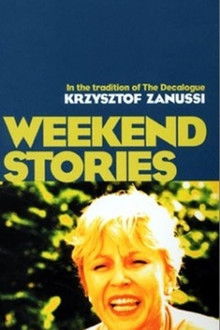
Weekend Stories: The Soul Sings
A classical singer who put his career on hold to raise a family gets a big break when a major company hires him for a televised New Year's Eve concert, but his shot at fame is threatened when, against his better judgment, he goes out on a rainy night and gets a cold.
Wanderlust
Polish-Flemish philosopher Alicja Gescinska interviews national and international personalities with diverse philosophical and religious backgrounds.
Granatowy zeszyt
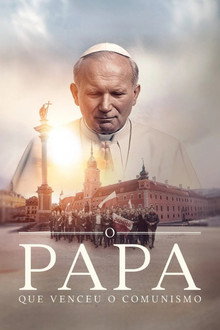
O Papa que Venceu o Comunismo
The documentary tells the story of Karol Wojtyła, Pope John Paul II, with rare footage and exclusive information. Born in Poland under Nazi and Communist occupation, he faced persecution, KGB surveillance, and miraculously survived an assassination attempt, all without ever giving in to fear. Discover how, through his faith in Christ, acts of evangelization in atheist countries, and the use of art and philosophy, John Paul II inspired millions, strengthened the Solidarity movement, and contributed to the fall of the Berlin Wall in 1989.

Pan Olbrychski
Biographical documentary film presenting the silhouette and artistic path of the outstanding actor Daniel Olbrychski. The narrative of the main character is confronted with his colleagues and friends, in contemporary interviews, including: with Krystyna Janda, Jerzy Hoffman, Krzysztof Zanussi, Volker Schlondorff and Adam Michnik. The archival materials will include statements and excerpts from the realization of scenes from Andrzej Wajda's films. The film roles of the main character are intertwined with his private life.
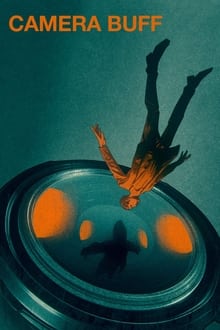
Camera Buff
Filip buys an 8mm movie camera when his first child is born. Because it's the first camera in town, he's named official photographer by the local Party boss. His horizons widen when he is sent to regional film festivals with his first works but his focus on movie making also leads to domestic strife and philosophical dilemmas.
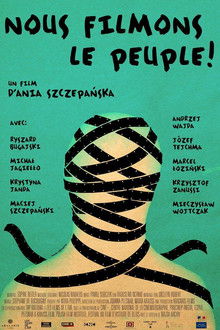
We Film the People!
The unique story of film directors who managed to critic the Communist regime while being produced by the State: this is Polish cinema's golden age, in the 1970s. Director Ania Szczepanska, born in Poland and raised in France, meets prominent filmmakers, producers, actors such as Andrzej WAJDA, Marcel LOZINSKI, Krzyszstof ZANUSSI, Kristina JANDA, Ryszard BUGAJSKI and confronts them the testimonies of the State men of that time. Through unknown archives, forgotten documentaries and excerpts of cult films, she relates how the Solidarnosc people ended up in Cannes.
Notes on Life. Edward Zebrowski
A biographical documentary on Edward Zebrowski, a director, screenwriter, and educator. The film draws from his notes, revealing his thoughts on illness and history as human fate. Friends from the Film School in Lodz and the TOR Film Group, including Wojciech Marczewski and Agnieszka Holland, discuss his legendary status as a scandalmonger and thinker. His wives, Barbara Lisowska and Magdalena Jaworska, share intimate details of his life. Students Agnieszka Smoczynska and Adrian Panek speak respectfully of him. Zebrowski’s biography is complemented by excerpts from his school works and original films, with scenes featuring him in Zanussi’s films like “The Illumination.” Directed by Maria Zmarz-Koczanowicz, the documentary captures a reflective and nostalgic atmosphere, reflecting Zebrowski’s mature life and sense of lost opportunities.
Notes in Lifestyle Margins
The film tells about the famous Lithuanian director Vytautas Žalakevičius. The film contains many excerpts from the director's films and conversations with him. Here he talks about life, creativity and about himself. Vytautas Žalakevičius is remembered by his friends and associates.
The Trial: The State of Russia vs Oleg Sentsov
August 2015, a courtroom in Rostov-on-Don. A man is peering through the bars of his cage, his eyes reveal that his nerves are about to snap. Today he will be handed down a sentence to which he must submit: 20 years’ imprisonment in Siberia for terrorism. The man is Oleg Sentsov, a film director and Maidan activist born in Simferopol in the Ukraine. He is charged with leading an anti-Russian terrorist movement and having planned attacks on bridges, power lines and a monument of Lenin. Sentsov defends himself, courageously and without flinching. He responds to the verdict with an emphatic denial of his crimes and instead accuses the accusers themselves ...
Niepokój
Dovzhenko. Full of Compromise
This film, marking the 130th anniversary of Oleksandr Dovzhenko's birth, reveals the artist's controversial path—from his first attempts at cinema to the creation of masterpieces that became symbols of Ukrainian poetic cinema. The authors show his ability to maneuver between creative ambitions and the political demands of the era, remaining a unique figure in cultural history.