Personal Info
Known For
Gender
Birthday
Place of Birth
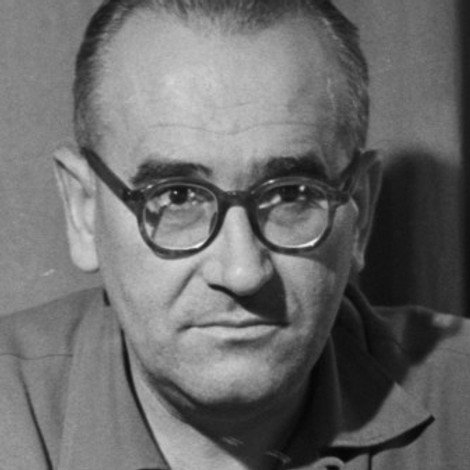
Henryk Bąk
Known for

More Than Life At Stake
A series about the adventures of a Polish secret agent, Hans Kloss, who acts as a double agent in the Abwehr during Second World War in occupied Poland.

Dyrektorzy
1957. Excessively high production standards imposed by the authorities result in the plan not being fulfilled, and the workers cannot imagine living normally without rewards and bonuses. A rebellion breaks out. Worker democracy wins – the working class elects a director from among its own ranks. He is an old locksmith with no managerial experience. Although he believes in the socialist spirit and has a communist past, he does not hold the position for long, as he makes promises too easily that he is unable to keep.

Polskie drogi
An epic, multi-threaded story about the fate of Poles during World War II. "Czas pogardy" was shown primarily from the perspective of two main characters - Lieutenant Władysław Niwiński and Leon Kuraś - a petty crook, but not without heroic traits. The authors of the series sought to show, in particular, everyday life under Nazi occupation in Poland.

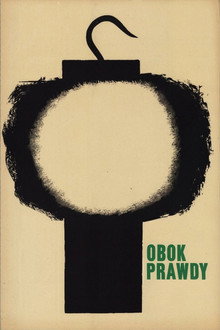
Obok prawdy
After a disaster in the mine, Łopot, a technician, protects the perpetrator. He soon faces a moral dilemma.


The Nest
Told in flashback as Mieszko lies feverish in his bed just before the Battle of Cedynia, Gniazdo recounts how the revered leader extended Poland's borders, formed an alliance with Emperor Otto I, and ultimately strengthened his country's autonomy by achieving victory during that crucial battle in the year 972.


Hazardziści
The screenplay is based on an authentic story of a robbery of a branch of the National Bank of Poland in Wolow. The thing took place in 1962, 12 million zlotys were stolen. For some time the perpetrators remained at large. Soon, however, the police came across their trail and the criminals were soon captured. And then the real bomb went off. It turned out that the thieves were not people listed in the police annals or even in contact with the criminal world. All the robbers had a reputation as "respectable citizens", by no means suffering from a lack of cash.

Lazarus' Whims
Jacenty is nearing the end of his days. However, he wants to go on his own terms, bargaining until the very end.

Con bravura
Originally, Munk intended Eroica to be a triptych with Con bravura being the first part, but he ultimately gave up on this film, deeming it weaker artistically than the two counterparts. Con bravura is about conspiracy conflating the paths of a rather unconventional nun and an intrigued young man – each of them bears secrets and the encounter could incite a flaming romance, though one suffocated by war.Munk set the film in the mountain capital of Zakopane and its vicinity, allowing breathtaking views from a cable car and using his experiences of the Nazi occupation in the area to add gritty reality. The director plays a cameo as a priest with several of his industry friends also making appearances.

Return Ticket
A young peasant girl, Antonina, emigrates for bread to Canada. She stays with her uncle, who offers her marriage, but Antonina does not accept the offer. She marries a farmer from a nearby village, surreptitiously puts away pennies to pennies and sends to Poland, her son to build a house. When her husband finds out, he catcalls her in a rage and throws her out. She returns to the country, and what does she find?

Drugi człowiek
A man just released from prison protects a woman from a group of thugs while on his way home.
