Personal Info
Known For
Gender
Birthday
Place of Birth
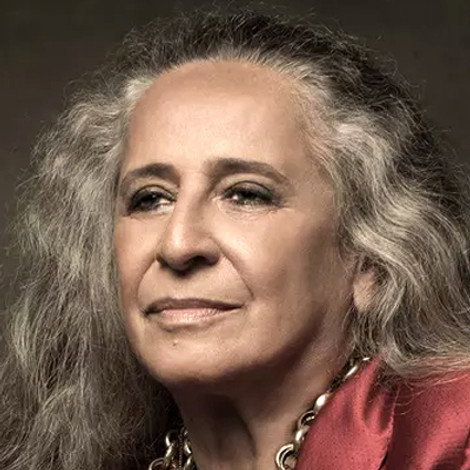
Maria Bethânia
Biography
Known for

Champs-Elysées

Le Grand Échiquier
Le Grand Échiquier is a French variety television program created and presented by Jacques Chancel. It aired at 8:30 pm on the first channel of the ORTF from January 12, 1972 to July 12, 1972, then on the second color channel of the ORTF from September 1972 to December 1974, and finally on Antenne 2 from January 1975 to December 21, 1989. The program returned to France 2 on December 20, 2018 and is hosted by Anne-Sophie Lapix.

Criança Esperança

The Egg
Writer and poet Clarice Lispector investigates and develops the old question of what came first, the egg or the chicken.

Todo Mundo no Rio com Shakira
On the iconic sands of Rio de Janeiro, Brazil, Shakira sets Copacabana Beach ablaze in the third edition of “Todo Mundo no Rio”. Before a historic crowd of 2 million people, the Colombian superstar celebrates three decades of hits in an electrifying performance that bridges her new album, “Las Mujeres Ya No Lloran,” with the timeless classics that defined her career. Featuring guest appearances by Brazilian music icons and a high-tech visual spectacle, the night transforms the coastline into the stage for an epic celebration of power, music, and the artist’s unbreakable connection with Brazil.

Mulher 80
Mulher 80 emerged as a result of the success of 'Malu Mulher' (1979), a miniseries starring Regina Duarte, which addressed the female situation in Brazilian society at that time. The main focus of the special was the female presence in music, honouring the singers and songwriters of MPB with musical numbers and testimonials.

Toquinho Maravilhoso
The documentary narrates the life of Toquinho, one of the greatest Brazilian artists, a musician who transcends the barriers of time and language with his sensitivity. A story that shapes Brazilian popular music.

Tropicália
Set against the turbulent atmosphere of the 1960s, Tropicália is a feature length documentary exploring the Brazilian artistic movement known as Tropicália, and the struggle its artists endured to protect their right to freely express revolutionary thought against the traditional Brazilian music of that time.

O Canto Livre de Nara Leão
Nara Leão revolutionized Brazilian music, broke prejudices, confronted the military dictatorship, opened paths for women. All this without changing the tone of her voice.

Chico & Caetano

Vento Bravo

Karingana - Licença para contar
Maria Bethânia takes her poetic narrative to Mozambique for the first time. The interpreter presents excerpts of works connected by different forms of expression in the Portuguese language. With testimonies from Mia Couto, José Agualusa and several Mozambican and Angolan writers and literary critics, the documentary shows the development of literature in these countries, delving on its importance during the anti-colonial resistance, the connection with native languages, the oral traditions and the influence of Brazilian writers.

O Nome Dela é Gal
A four-part biography on the life of the Brazilian singer Gal Costa, from her humble beginning singing in the streets of Salvador, where she became friends with many artists who would be other great names in Brazilian music in the following decades to her 50th career anniversary in 2015.

Chico: Brazilian Artist
Chico Buarque is a constant presence in Brazil's art scene and makes up its citizen's popular culture. This wealth in music, poems, theater and novels has been created over the last 50 years and in this film Chico Buarque converses about his memories, shows, daily life, work methods, creative process, in summary all his trajectory. The musician’s search for his German brother, whom he never got to meet, serves as one of the axis for the narrative.

Ritas
It explores Rita Lee's personal life and her creative process, revealing her musical talent and her ability to transform on stage. Rita herself guides the narrative through past interviews she gave throughout her career and current testimonies.