Personal Info
Known For
Gender
Birthday
Place of Birth
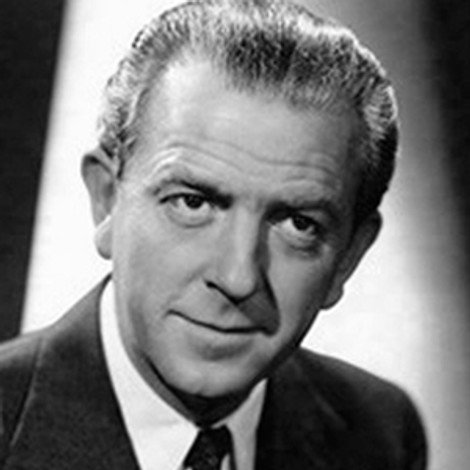
John Clements
Biography
Known for

Gandhi
In the early years of the 20th century, Mohandas K. Gandhi, a British-trained lawyer, forsakes all worldly possessions to take up the cause of Indian independence. Faced with armed resistance from the British government, Gandhi adopts a policy of 'passive resistance', endeavouring to win freedom for his people without resorting to bloodshed.

Undercover
Occupied Yugoslavia. With organised resistance shattered by the Nazi onslaught it is only the activity of small guerrilla bands that bring fresh hope to the people. But quislings and infiltrators are everywhere – and trusting the wrong person could easily get you killed...

This England
Set in Claverly Village, it follows the fortunes of the Rookebys (Clements) and the ne'r-do-well Appleyards (Williams) from the time of the Normans, 1588, 1804, 1914, and 1940. Made to support morale during the war, its message is basically that you can't suppress the British; they've been there since the beginning; they'll be there to the end.

Convoy
A tale of life on board a Royal Navy cruiser assigned to protect the vital convoys between America and England during WWII.

Train of Events
A train disaster is told in four short stories to give character studies of the people involved, how it will affect them and how they deal with it.

Things to Come
The story of a century: a decades-long second World War leaves plague and anarchy, then a rational state rebuilds civilization and attempts space travel.

Oh! What a Lovely War
The working-class Smiths change their initially sunny views on World War I after the five boys of the family witness the harsh reality of trench warfare.

The Four Feathers
A disgraced officer risks his life to help his childhood friends in battle.
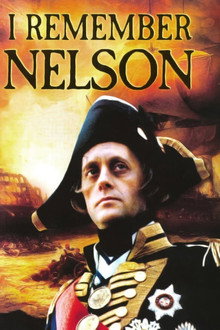
I Remember Nelson
Vice Adm. Horatio Nelson's remarkable naval career and troubled personal affairs are brought to life in this miniseries, which tells his famous story through the narratives of those who knew him best.


Ships with Wings
Before the war, a Fleet Air Arm pilot is dismissed for causing the death of a colleague. Working for a small Greek airline when the Germans invade Greece, he gets a chance to redeem himself and rejoin his old unit on a British carrier. This is regarded the last of the conventional, rather stiff 1930's style Ealing war films, to be succeeded by much more realism and better storytelling.

The Mind Benders
A British scientist is discovered to have been passing information to the Communists, then kills himself. Another scientist decides that they might have brainwashed him by a sensory deprivation technique, but he doesn’t know if someone really can be convinced to act against their strongest feelings. So he agrees to be the subject in an experiment in which others will try to make him stop loving his wife.

Knight Without Armour
In the last days of Czarist Russia, Russian-speaking Briton A.J. Fothergill is enlisted by his government to go undercover as Bolshevik radical Peter Ouranoff in an attempt to gain access to the revolutionaries' inner circle. Tasked with accompanying lovely aristocrat Alexandra Vladinoff from Moscow to Petrograd to be tried for crimes against the proletariat, Peter attempts to spirit her out of the war-torn country.

The Silent Enemy
The Mediterranean, 1941/42 - Axis forces are using frogmen and manned torpedoes to attack previously impregnable harbours. The Allied forces need to come up with something to answer this threat, which they find in the form of Lt. Lionel "Buster" Crabb.

Once in a New Moon
When a small English town is dragged out into space by the force of a 'dead star' passing Earth, the populace try to organise a local government based on equal rights for all, but conflicts arise between the local aristocracy and the villagers.