Personal Info
Known For
Gender
Birthday
Place of Birth
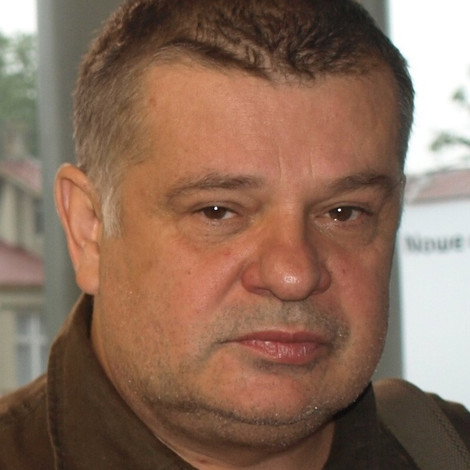
Krzysztof Globisz
Known for

Leśniczówka

Dekalog
The Ten Commandments, exact and uncompromising, literally cast in stone, continues to provide a source of moral conflict in contemporary society. In the ten part collection of films, The Decalogue, Krzysztof Kieślowski examines the dilemma of fundamental sin in the lives of ordinary Warsaw citizens.

The Londoners
Londyńczycy is a Polish TV drama series about Polish immigrants in London, aired on TVP 1 since late 2008. It is currently aired on Community Channel. The title music for the series is the Robbie Williams song "Supreme".

Danton
Danton and Robespierre were close friends and fought together in the French Revolution, but by 1793 Robespierre was France's ruler, determined to wipe out opposition with a series of mass executions that became known as the Reign of Terror. Danton, well known as a spokesman of the people, had been living in relative solitude in the French countryside, but he returned to Paris to challenge Robespierre's violent rule and call for the people to demand their rights. Robespierre, however, could not accept such a challenge, even from a friend and colleague, and he blocked out a plan for the capture and execution of Danton and his allies.

Katyn
On September 1st, 1939, Nazi Germany invades Poland, unleashing World War II. On September 17th, the Soviet Red Army crosses the border. The Polish army, unable to fight on two fronts, is defeated. Thousands of Polish men, both military and government officials, are captured by the invaders. Their fate will only be known several years later.

Officer
Polish crime / drama TV series portraying Warsaw police officers from Central Bureau of Investigations who got on the trail of counterfeit Euro banknotes which involves local gangsters and French crime syndicate.

Oficerowie
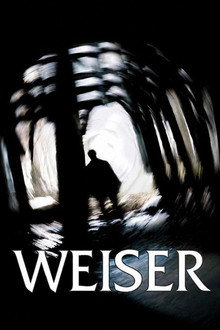
Weiser
The film is based on the well-known, translated into many languages novel of writer Pawel Huelle. It is imbued with nostalgia and the atmosphere of mystery story of a group of children, fascinated by the figure of a man named David Weiser.

Przedwiośnie
Polish-born Russian subject Cezary Baryka comes of age during a tumultous period of ten years from 1914 to 1924, during which he witnesses revolution, rebirth of Poland, war with the Soviets and communist plots.

Colonel Kwiatkowski
Military doctor Kwiatkowski, serving in a barracks hospital on the Western Territories, is rewarded with a week’s leave after successfully operating on Colonel Kiziora of the UB. He and his friend steal a truck bound for Warsaw, where among the ruins of his former home he meets his prewar neighbor Krysia, instantly falls in love, and, after a brawl with a Russian officer at a dance in the surviving “Polonia” hotel, pretends to be a high-ranking UB colonel to save face.

Converts

Decalogue V
Jacek, an angry drifter, murders a taxi driver, brutally and without motive. His case is assigned to Piotr, an idealistic young lawyer who is morally opposed to the death penalty, and their interactions take on an emotional honesty that throws into stark relief for Piotr the injustice of killing of any kind.

Pornography
Two intellectuals, a writer and a director, begin to play a mysterious psychological game in a peaceful countryside manor house during the Nazi occupation.

1920. War and Love
Three soldiers who met while each was serving a different partition of Poland form a friendship that lasts after their homeland regains independence.
