
Personal Info
Known For
Gender
Birthday
Place of Birth
Elizabeth Shepherd
Biography
Known for
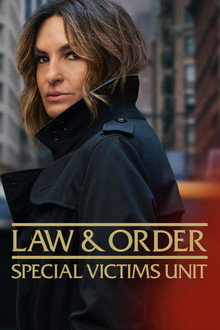
Law & Order: Special Victims Unit
In the criminal justice system, sexually-based offenses are considered especially heinous. In New York City, the dedicated detectives who investigate these vicious felonies are members of an elite squad known as the Special Victims Unit. These are their stories.

The Wednesday Play
An anthology series of television plays which aired on BBC1 from October 1964 to May 1970. The plays were usually written for television, although adaptations from other sources also featured.

Thirty-Minute Theatre
An anthology of short plays shown on BBC Television between 1965 and 1973, used in part at least as a training ground for new writers, on account of its short length, and which therefore attracted many writers who later became well known.

No Hiding Place
No Hiding Place is a British television series that was produced at Wembley Studios by Associated-Rediffusion for the ITV network between 16 September 1959 and 22 June 1967. It was the sequel to the series Murder Bag and Crime Sheet, all starring Raymond Francis as Detective Superintendent, later Detective Chief Superintendent Tom Lockhart.


Psi Factor: Chronicles of the Paranormal
Psi Factor: Chronicles of the Paranormal is a Canadian science fiction television series that surrounds a scientific team that deals with all manner of paranormal phenomena around the world; from alien abductions to possessions. The organization depicted in the series is loosely inspired by a real-life scientific organization. While locations in the series took place worldwide, the series was primarily filmed in and around Toronto, Ontario, Canada, and aired 88 episodes over four seasons from 1996 to 2000.

The Troubleshooters
The Troubleshooters is a British television series made by the BBC between 1965 and 1972, created by John Elliot. During its run, the series made the transition from black and white to colour transmissions. The series was based around an international oil company – the "Mogul" of the title. The first series was mostly concerned with the internal politics within the Mogul organisation, with episodes revolving around industrial espionage, internal fraud and negligence almost leading to an accident on a North Sea oil rig.

Drama 61-67
Drama 61-67 is anthology drama series which took a different title, based on year of transmission, each year. It alternated with Armchair Theatre from ABC in the Sunday evening slot. The series was described at the time as epitomising ATV drama.
Drama 61-67
Drama 61-67 is anthology drama series which took a different title, based on year of transmission, each year. It alternated with Armchair Theatre from ABC in the Sunday evening slot. The series was described at the time as epitomising ATV drama.

Silver Surfer
The adventures of the cosmic wanderer as he seeks his lost home after rebelling from his master.
Story Parade
Story Parade specialized in adaptations of modern novels. It was broadcast on June 5, 1964 and repeated on August 28, 1964. The teleplay was by Terry Nation (who invented "Blake's 7" and the Daleks in Dr. Who), and Elijah Baley was played by the late Peter Cushing. It also starred John Carson John Carson as R. Daneel Olivaw and Kenneth J. Warren. The master tapes of the program were erased, however a few clips from the production have turned up in various documentaries about Isaac Asimov's work.

The Main Chance
The Main Chance was a British television series which first aired on ITV between 1969,1970,1972 and 1975. A drama, it depicts the sudden transformation in the life of solicitor David Main who relocates from London to Leeds.

Bleak House
The generous John Jarndyce, struggling with his own past, and his two young wards Richard and Ada, are all caught up, like Lady Dedlock, in the infamous case of Jarndyce vs Jarndyce, which will make one of them rich beyond imagination if it can ever be brought to a conclusion. As Tulkinghorn digs deeper into Lady Dedlock's past, he unearths a secret that will change their lives forever, and which is almost as astounding as the final outcome of the Jarndyce case.

Sergeant Cork
Sergeant Cork is a British detective television series which first aired between 1963 and 1968 on ITV. It was a police procedural show that followed the efforts of two police officers and their battle against crime in Victorian London. In all 66 hour-long episodes were aired during the five-year run, although the last episode was not broadcast until January 1968, 16 months after the others. Journalist Tom Sutcliffe has credited it as a first example of the use of the Victorian-era policeman in a television crime series. A 1969 review in The Age opined that rather than suspense, the strengths of the series were its "excellent period settings and wonderfully thick pea-soupers" which "add up to splendid evocative stuff", as well as the performance of star John Barrie. At no time during the whole series is Sergeant Cork's first name given.