Personal Info
Known For
Gender
Birthday
Place of Birth
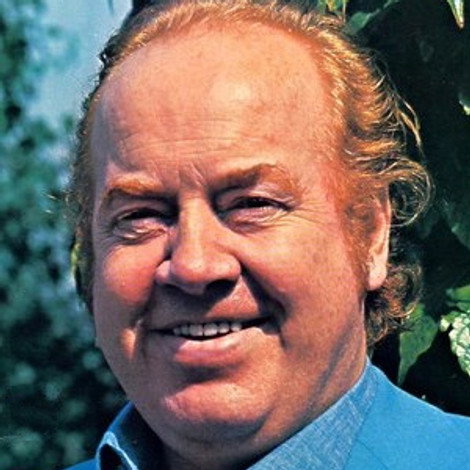
Erik Paaske
Biography
Known for
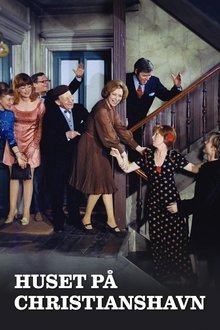
The House at Christianshavn
The series follows the residents of an apartment building on Copenhagen's Christianshavn, as they go about their daily lives and challenges. There is Olsen, a mover with an old fashion view of the world, Clausen who runs the local pet shop, Egon the career focused assistant, their wives who work hard to keep their spouses lives together, the young couple Tue and Rikke who recently moved in, the hard working caretaker Meyer, who never puts in to much effort, and of course Emma, the innkeeper of Rottehullet, where all the important decisions are made while running up the bar tab. The series was produced by Nordisk Film for Danmarks Radio TV station between the years 1970-77. The series' first director was Ebbe Langberg, then Erik Balling and Tom Hedegaard respectively. The series was conceived by an author team of well-known Danish authors such Leif Panduro, Benny Andersen, and Lise Nørgaard.
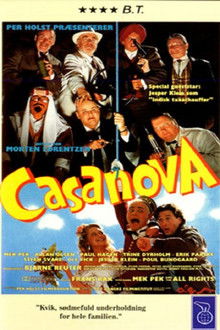
Casanova
Farcial action fun with Bertil and Hugo, who do menial jobs at a big city hotel. Bertil is about to marry and has put money aside for his bride's morning gift. Only Hugo has kind of borrowed the money and blown it all on a wrong bet in a pigeon race. Together, they obviously have to get rich quick. When a diamond seems to be lying around for the taking, the hotel is virtually on its head.

Med Kjærlig Hilsen
Nissebanden
Pelle the Conqueror
In the late 19th century, two Swedish emigrants, Lasse Karlsson and his son Pelle, arrive on the Danish island of Bornholm hoping to find work on a farm and save enough money to travel to the United States of America.
Ka' De li' østers
A crime-series in six parts. A woman has been killed in a apartment. The murder squad are on the case.
Ludvigsbakke
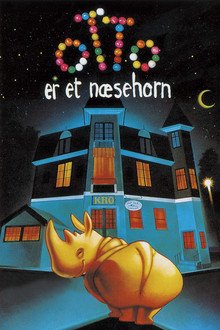
Otto Is a Rhino
The boy Topper is bored. He finds a pencil that proves to have magical powers. Draw a rhino, and right away, you have a real rhino for a companion. A little heavy perhaps, when you live on the second floor. No matter, it's a modern fairy-tale of the baroque, and everything goes. Based on kiddie entertainment by Ole Lund Kirkegaard, but as was the case with the book, the fun is to be enjoyed by one and all.
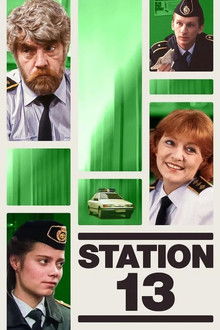
Station 13
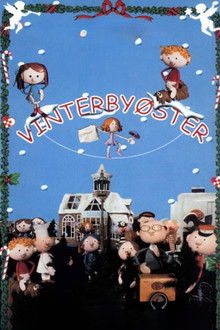
Vinterbyøster
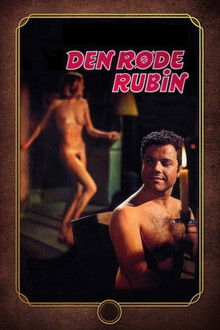
The Song of the Red Ruby
A young, idealistic business student has ambitions to be a concert pianist, but his obsession with beautiful women keeps him from achieving his goal. To earn money for his tuition, he takes a job as headmaster of a small girls' school. There his weakness for beautiful women is put to the test when he is pursued by a bevy of sexy coeds.
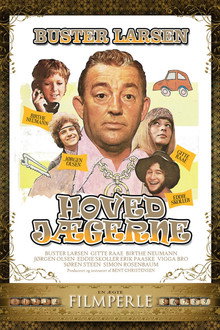
Hovedjægerne
A group of young people want to change society, so they cut off the head of a statue of Christian IV. The head is hidden in the archives of Director Lund, where Anna has just been hired. Anna teaches Director Lund to be young and liberated. Lund goes along with it but is ultimately betrayed by the group.
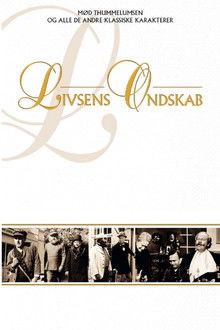
Livsens ondskab
A satire of a typical Danish provincial town ca. 1900 with it's malicious, but merry portraits of the citizens. We meet the misshapen Emanuel Thomsen "Tummelumsen" and the two friends senior examining officer Knagsted and senior teacher Clausen.

Hosekræmmeren
The young girl Cecilia is in love with her neighbor's son Esben. But her father, a knitwear merchant, will not allow her to marry him. Overcome with grief, she succumbs to madness. TV adaptation of Blicher's short story from 1829.