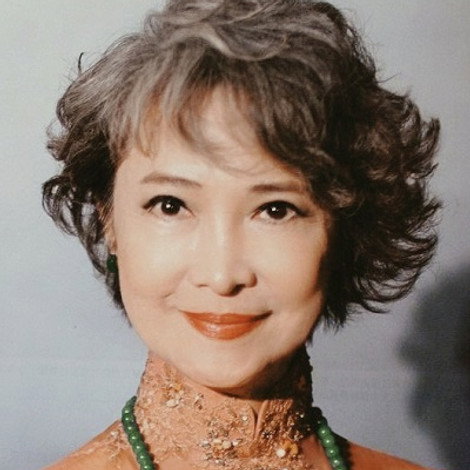
Personal Info
Known For
Gender
Birthday
Place of Birth
Josephine Siao
Biography
Known for

Golden Horse Awards
The Taipei Golden Horse Film Festival and Awards (Chinese: 台北金馬影展; pinyin: Táiběi Jīnmǎ Yǐngzhǎn; Pe̍h-ōe-jī: Tâi-pak Kim-má iáⁿ-tián) is a film festival and awards ceremony held annually in Taiwan. It was founded in 1962 by the Government Information Office of the Republic of China (ROC) in Taiwan. The awards ceremony is usually held in November or December in Taipei, although the event has also been held in other locations in Taiwan in recent times

The Legend II
The hero Fong Sai Yuk becomes involved in the secret brotherhood "The Red Flower", who are trying to overthrow the Manchurian emperor and re-establishing the Ming dynasty. The social upheaval is combined with Sai Yuk's personal moral conflict about how to conform to the rigid regime of the brotherhood and on top of that sort out his difficult love life, saddled with two presumptive wives.

The Legend
The secret Red Lotus Flower Society is committed to the overthrow of the evil Manchu Emperor and his minions. One of his Governors is sent on a mission to retrieve a list of members of that secret society. Meanwhile, Canton kung fu practitioner Fong Sai-Yuk falls in love with the beautiful daughter of a rich merchant.

A Century of Light and Shadow
Revisit 100 years of Chinese cinema through the RTHK TV program A Century of Light and Shadow. Aired in 2005, this interesting and informative documentary traces the development of the Chinese film industry from the pioneering years to contemporary times. From the volley between Mandarin and Cantonese films to the rise of the New Wave, this program touches on all the major trends and developments that have helped define Chinese cinema and explores different genres and representative figures and films. From actors to directors, over 200 film industry names, including Jackie Chan, John Woo, Sammo Hung, Connie Chan, Andrew Lau, Peter Chan, and Lau Ching Wan, appear in the program, bringing their intimate knowledge of the industry and providing insight about what lies ahead for Chinese cinema.

秋水长天
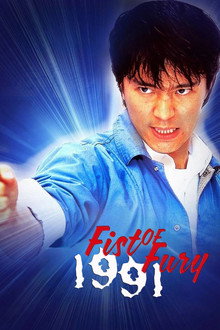
Fist of Fury 1991
Lau Ching, a Mainlander with an incredibly powerful right arm, arrives in Hong Kong to find his cousin. He befriends with a drifter named Handsome, and a martial artist girl named Mandy. In order to woo her, Ching participates in a fighting competition in hopes of winning a $10 million prize, and must defeat his love rival, Wai, in the ring.

Golden Eagle
Gangster Li Yibiao's jewelry was suspected to have been stolen by Gu Daqiang. Biao asked Jin Zhenyu to cooperate with him to get the jewelry back. During this period, Yu discovered that the mysterious woman Jin Ou was also looking for jewelry, and the two agreed to cooperate. Hou Yu learns that Biao set up a trap for him and Qiang to kill each other, and Ou and Qiang confront Biao. The jewelry originally belonged to Ou's deceased brother, so Yu lets Ou take it back.

Teddy Girls
A revenge thriller unlike any other, Lung Kong confronts themes of reform and revenge by turning his focus to the subject of disaffected youth. Young Josephine, an audacious performance by a 22-year-old Josephine Siao, is sentenced to an all-girl reform school on the periphery of Hong Kong after a violent bar brawl. Along with a few accomplices, she escapes from the intolerable administration, only to find the streets an even more hostile environment, driving the girls to blood-soaked vengeance. An enthralling youth-in-revolt film from the rare perspective of its female protagonists, shot in indelible widescreen color photography, Teddy Girls is one of Lung Kong’s most enduring triumphs.

The Wrong Couples
Upon returning home, sailor Yu (Richard Ng) is shock to discover that not only his wife left him, but the house has also been sub-letted to an old maid, May Wong (Josephine Siu). Both Yu and Wong have their own strange habits, and them living together under the same roof causes numerous hilarious incidents.


Too Happy for Words
Stanley Kwan's 1992 short film starring Josephine Siao and Maggie Cheung
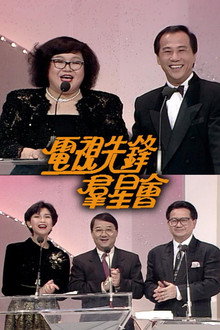
Pioneers of Television Gala
As Hong Kong television entered the 1990s, this cross-network gala looked back over the industry's history from the founding of the territory's first subscription station in 1957 — the launch of TVB, the three-way rivalry between TVB, RTV and CTV, and the fierce ratings wars — with Sir Run Run Shaw and other key figures telling the story in person, and a star-studded line-up including Chow Yun-fat, Liza Wang, Sam Hui and Stephen Chow performing in tribute to the industry's finest.