
Personal Info
Known For
Gender
Birthday
Place of Birth
Miloš Kopecký
Biography
Known for
Bakaláři

Thirty Cases of Major Zema
Thirty Cases of Major Zeman is a Czechoslovak action-drama television show intended as a political propaganda to support the official attitude of the communist party. The series were filmed in the 1970s. Each episode encompasses one year, and investigations are stylized to that year. Most are inspired by real cases. The series follows the life of police investigator Jan Zeman during his career from 1945 to 1975.
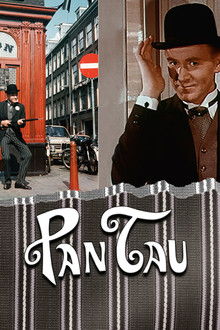
Pan Tau
Pan Tau always had a gentle expression and a friendly smile, he was elegantly dressed in a stroller, with an umbrella and a white carnation in the lapel. Foremost, he was famous for his magic bowler hat. By tapping on his hat, Pan Tau was able to change his appearance into a puppet, to conjure up miscellaneous objects or to do other magic. His most characteristically behavior is that he would help children who were experiencing some sort of difficulties in-between their dreams and reality, like finding a place for skiing, settling family problems on Christmas, and even give a boy a good time at a fair when he is supposed to have piano lessons. To adults, he usually remained invisible.
Nemocnice na kraji města
Hospital at the End of the City is a popular television series first released in Czechoslovakia in 1977, it featured an ensemble cast and received much viewer praise in central Europe. The series ran from 1977 to 1981 for a total of twenty episodes. The success of the series inspired the German television series The Black Forest Clinic.

GENUS
Možná přijde i kouzelník
Hříšní lidé města pražského
Úsměvy světa
Příběhy slavných
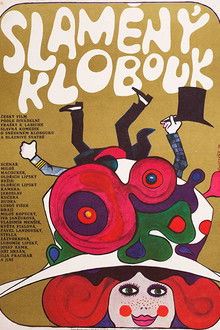
Straw Hat
Slacker Maurice Fadinar wasted his whole inheritance and the only way out of this situation, as it seems, to marry Helen Nonankur - daughter of a wealthy farmer. At the last meeting with his mistress in a nearby forest Fadinar's horse eats straw hat which belongs to a married lady, spending time in the company of young and hot Lieutenant Emil. Emil literally puts a knife to Maurice throat - or the lady will get back the exact same hat immediately, or he will arrange such a scandal that no wedding will not happen ...
Klapzubova jedenáctka

Distant Journey
Prague, during World War II. Hana Kaufmann, a Jewish ophthalmologist, marries Dr. Antonín Bureš, a Christian man. When her family is sent to the Theresienstadt concentration camp, their romance turns into a struggle for survival.
Šaráda
Galasuperšou
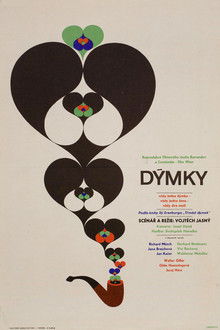
The Pipes
This three-part Austrian/Czech comedy stretches the boundaries of what is considered to be humorous. Part one finds a silent film actor upset because of a rival actor's attention to the former's wife. When he kills his rival, it is only when he is strapped to the electric chair that he realizes that this is his last live scene. The second episode has the wife of an elderly British nobleman having an affair with the young gamekeeper of their estate. Part three finds a peasant woman taking a lover when her husband goes off to fight the war.