Personal Info
Known For
Gender
Birthday
Place of Birth
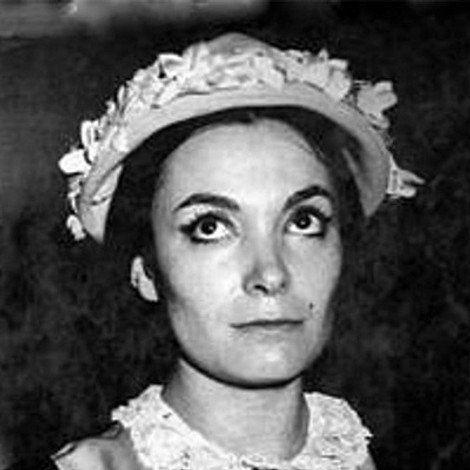
Malena Doria
Known for

El rutas
The film got its inspiration from a real life character that killed policemen in the streets. The film narrates just how this man was pushed to committing crime.

¡Pum!
Based on a true story, it tells the story of opera singer Paco Sierra, who, realizing that the life of an artist does not provide him with enough money, plans and carries out a terrorist act: He assures the passengers of an airplane that he has placed a bomb.

Sueño de amor

The Slaves of Sadism
A Young man lures beautiful women to his home where his mother, a witch places a sex curse on them, Locking them in a cellar as sex slaves and shooting snuff films with them while a private detective searches for a missing woman involved. Rape, torture, snuff and even necrophilia factor into this Mexican sleaze-fest.

The Mongol Plot
In the context of a visit by the President of the United States to Mexico, there is a threat that China will attack his life. Policeman Filiberto is commissioned to avoid it, at any cost. His searches in the Chinatown will lead him to endanger his life, while he will find love in the young Marta.

Die Frau des Reporters
In the spring of 1980, Esther Jochmann, a young Austrian woman, flies to San Salvador. Her husband, a journalist, has been killed. She has to identify his corpse so that the authorities will allow it to be transferred to Europe. She learns that Archbishop Oscar Romero, who was also a victim of an assassination, had granted a taped interview to her husband. Padre Manuel hands the tape over to her. Esther accompanies the Padre and John, an American reporter, who are trying to find the murderers.

One Man’s War
Anthony Hopkins plays an English medical doctor living with his family in Paraguay and treating the poor people from the surroundings, who has his life turned upside down when his son was mysteriously murdered in what could have been an attack to him since he's opposed to the military dictatorship of the country. The doctor and his family will take lots of risk while trying to prove that the government was involved in the murder.

Canoa: A Shameful Memory
A group of students arrives in a small town during a hiking expedition. Once there, the local priest accuses them of being communist agitators on the run from an army crack-down against student demonstrations in nearby Mexico City and rallies the townsfolk to lynch them. Based on a true story.


Occupation of Darkness
Set in 1934, and meant to dramatize social injustices, this melodrama examines an official's attempt at land reform. The landowners are against any reform and are also not interested in ending the exploitation of their workers. On the opposite side of the fence, the Native Americans have almost no way to better their living conditions or to fight oppression. They are also plagued by "superstition," which leads to some misguided actions that only make things worse. Violence and sexual encounters are interspersed throughout the story.

Little Treasure
Margo is an ex-stripper who meets her long, lost father in Mexico. She looks after him in the waning days of his life, with the help of a traveling projectionist. The father passes away, telling of the loot from a botched bank robbery that he buried years earlier. The two get jobs in town as their relationship grows and they search for the treasure on the weekends. But while the treasure seems to bring them together, it also seems to be tearing them apart.

Las Poquianchis
Three sisters run brothels protected by the authorities, abuse and prostitute young women under the false pretense of employing them as servants.

Highway Patrolman
A naïve rookie in the Mexican highway patrol must adapt in order to survive as he contends with widespread corruption, dangerous drug runners and the consequences of his often morally gray actions.

The Stork's Mistake
India María raises a kidnapped newborn and is pursued by criminals who want the boy.

Benjamín's Wife
Benjamin is an old bachelor who lives with his sister. One day he falls in love with the young Natividad. Seeing that the love letter strategy doesn't work with the girl, Benjamín decides to kidnap her.