Personal Info
Known For
Gender
Birthday
Place of Birth
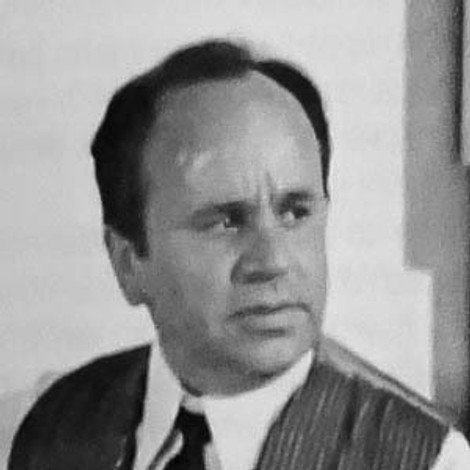
Georgi Rusev
Biography
Known for


Home for Our Children

Васко да Гама от село Рупча

Рицарят на бялата дама

Don't Look Back
The movie is set in the years of WWII. The partisans Stefan, Rado and Velko await a plane with weapon. The three men are trapped. Velko is killed. Rado and Stefan go to the Silent one. Only she knows the location where the weapon should be received. Army regiments arrive and a shootout begins. The plane drops the weapons. Stefan covers the others with machine gun while the Silent one and Rado leave with the weapon to the contingent

The Double
Denev is a specialist in his area. and has no time to write his dissertation. His cousin Ivan offers his help to switch places wich leeds to catostrophe.

The Thirteenth Bride of the Prince
A silly prince wants to marry a beautiful peasant girl. His guards kidnap her, but the girl escapes and returns to her beloved. Meanwhile, a UFO lands in the kingdom and the aliens witness nuisances, court intrigues, and lies. They are not allowed to meddle in other people's affairs, but they still influence the happy ending.

Sasedkata
Dimka is a married young woman who has everything: a new house and a car. But she is unhappy. She meets Grigor, who is different from the others. He loves music. They ignore the material well-being and the opinion of others. But Dimka can't stand it and returns to her husband to live in her own way.

Maverick
Bulgaria in the 1950's. The agriculture in the country goes after the communist model. In one village, there is a man who refuses to join the cooperative and opposes the despotic local leader.

Matriarchy
The film belongs to the 'migration cycle' in the Bulgarian cinema. It is about the drama of a group of women who have been left alone in their 'female kingdom' - a village deserted by its entire men folk.

Razvodi, razvodi...
Razvodi, razvodi... is a 1989 Bulgarian anthology comedy film that delves into the complexities of marital relationships through a series of five short stories, all centered around the theme of divorce. Each segment offers a unique perspective on the emotional and societal facets of separation, blending satire with poignant human experiences.

Exams at Any Odd Time
Two novels united by common characters and a never-settled problem: the clash between sincerity of children and the heartless pragmatism and ambitions of grown-ups.

To Eat the Apple
Maria, a beautiful middle-aged woman, former participant in the fight against Nazism is killed. The investigator Urumov discovers the criminal. Urumov wants to know the reason why Dzherikarov has committed the murder. Dzherikarov is a former officer of the king army. Maria's memories expose the fact that she has arrested his commander in the past. By killing Maria, he wants to save his understanding of "officer's honor". Urumov sees that Maria's daughter leaves at the mother's grave an apple. In order to save her illusion, he eats the apple every time. In final talk with Dzherikarov, the murderer condemns himself to death and eats the apple.

A Nameless Band
Velko, Filip, Pavel and Gosho have different professions but are connected by the love they have for music. They rehearse all year to make it big on the sea resorts in the summer. The head of the cultural center where they play is willing to give them the musical equipment if they replace their singer Maria (Filip's girlfriend) with the attractive but untalented Reni. This is the first, but not the last compromise they have to make on the way to the dream.

Don't Go Away!
The charming young man Ran is a director in a school in his hometown. His classmate Mariana is his wife. At the first glance, things are like, as they ought to be. In the world of untold words and timid gestures something important is missing - the understanding. He cannot succumb to the routine, hypocrisy and egoism. Ran sees every moment of his everyday life as a part of everlasting human strive for beauty and perfection, which brings him many troubles and causes conflicts with his colleagues and his friends. The intrigues and betrayal of a part of his colleagues during the visitation of a school inspector make him lose his patience. On a public place, he slaps the inspector who destroys the human dignity of the others. There is a court against Ran. He must leave the school. He leaves his wife Mariana who does not understand him. These misfortunes do not stop his search for real values, real work, real love, in another place, another town, another school.