Personal Info
Known For
Gender
Birthday
Place of Birth
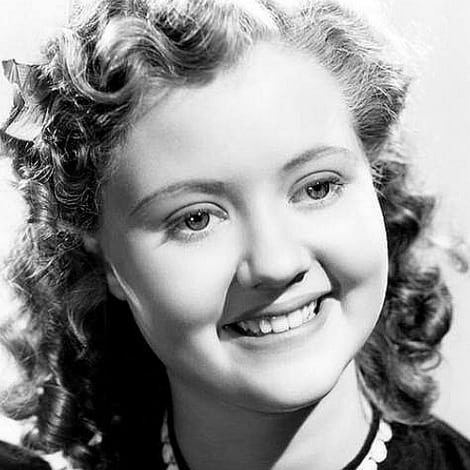
Marcia Mae Jones
Biography
Known for
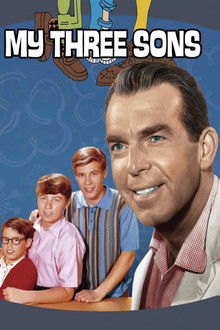
My Three Sons
A widower and aeronautical engineer named Steven Douglas raises three sons with the help of his father-in-law, and later the boys' great-uncle. An adopted son, a stepdaughter, wives, and another generation of sons join the loving family in later seasons.
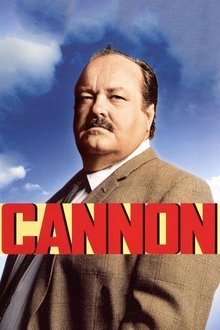
Cannon
Cannon is a CBS detective television series produced by Quinn Martin which aired from March 26, 1971 to March 3, 1976. The primary protagonist is the title character, private detective Frank Cannon, played by William Conrad. He also appeared on two episodes of Barnaby Jones. Cannon is the first Quinn Martin-produced series to be aired on a network other than ABC. A "revival" television film, The Return of Frank Cannon, was aired on November 1, 1980. In total, there were 124 episodes.
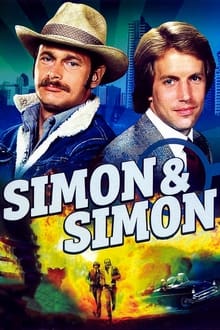
Simon & Simon
A.J. Simon is a polished fellow with a taste for classic cars and tailored suits. Rick Simon is his less refined (but still pleasant) older brother who has a taste for cowboy boots and four-wheel drive pickups. The two of them live in San Diego, where they own a private detective agency.
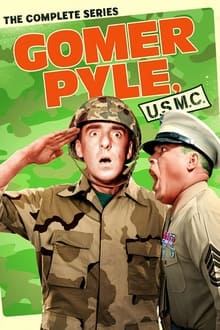
Gomer Pyle, U.S.M.C.
Gomer Pyle, U.S.M.C. is an American situation comedy that originally aired on CBS from September 25, 1964, to May 2, 1969. The series was a spinoff of The Andy Griffith Show, and the pilot was aired as the finale of the fourth season of The Andy Griffith Show on May 18, 1964. The show ran for five seasons and a total of 150 episodes. In 2006, CBS Home Entertainment began releasing the series on DVD. The final season was released in November 2008. The series was created by Aaron Ruben, who also produced the show with Sheldon Leonard and Ronald Jacobs. Filmed and set in California, it stars Jim Nabors as Gomer Pyle, a naive but good-natured gas-station attendant from the town of Mayberry, North Carolina, who enlists in the United States Marine Corps. Frank Sutton plays Gomer's high-octane, short-fused Gunnery Sergeant Vince Carter, and Ronnie Schell plays Gomer's friend Gilbert "Duke" Slater. Allan Melvin played in the recurring role of Gunnery Sergeant Carter's rival, Sergeant Charley Hacker. The series never discussed nor addressed the then-current Vietnam War, instead focusing on the relationship between Gomer and Sergeant Carter. The show retained high ratings throughout its run.
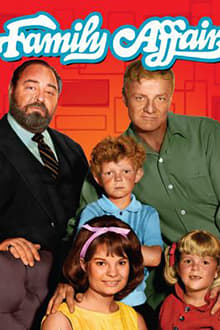
Family Affair
Family Affair is an American sitcom that aired on CBS from September 12, 1966 to September 9, 1971. The series explored the trials of well-to-do civil engineer and bachelor Bill Davis as he attempted to raise his brother's orphaned children in his luxury New York City apartment. Davis' traditional English gentleman's gentleman, Mr. Giles French, also had adjustments to make as he became saddled with the responsibility of caring for 15-year-old Cissy and the 6-year-old twins, Jody and Buffy. The show ran for 138 episodes. Family Affair was created and produced by Don Fedderson, also known for My Three Sons and The Millionaire.

Mister Ed
Wilbur Post and his wife Carol move into a beautiful new home. When Wilbur takes a look in his new barn, he finds that the former owner left his horse behind. This horse is no ordinary horse . . . he can talk, but only to Wilbur, which leads to all sorts of misadventures for Wilbur and his trouble-making sidekick Mister Ed.

The Streets of San Francisco
Two police officers, the older Lt. Stone and the young upstart Inspector Keller, investigate murders and other serious crimes in San Francisco. Stone would become a second father to Keller as he learned the rigors and procedures of detective work.
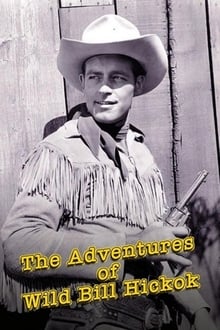
The Adventures of Wild Bill Hickok
The Adventures of Wild Bill Hickok is an American Western television series which ran for eight seasons from 1951 through 1958. The Screen Gems series began in syndication, but ran on CBS from 1955 through 1958, and, at the same time, on ABC from 1957 through 1958.
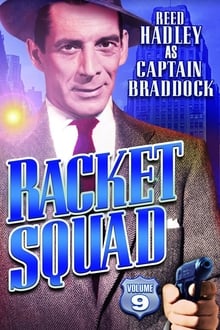
Racket Squad
Racket Squad is an American TV crime drama series starring Reed Hadley as Captain John Braddock, a fictional detective working for the San Francisco, California Police Department. The show aired in syndication for a season before being picked up by CBS for three seasons. The series was filmed at Hal Roach Studios in Culver City, California, and was sponsored by cigarette manufacturer Philip Morris, hence there was a pack of the sponsor's brand on Braddock's desk at the beginning and end of the episode, as well as occasional scenes of him or other characters "lighting up".
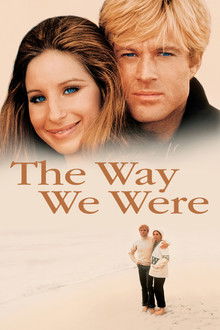
The Way We Were
Opposites attract when, during their college days, Katie Morosky, a politically active Jew, meets Hubbell Gardiner, a feckless WASP. Years later, in the wake of World War II, they meet once again and, despite their obvious differences, attempt to make their love for each other work.
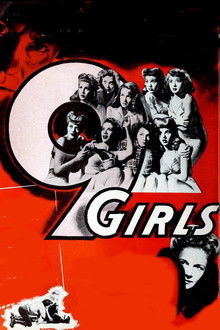
Nine Girls
One of the members of a sorority is found murdered. Although the police are called in to investigate, some of the girls decide to do some sleuthing on their own to unmask the killer.
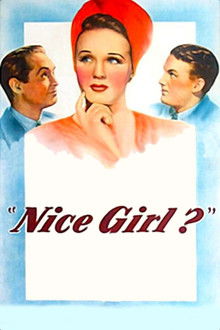
Nice Girl?
Jane is a nice girl and has had her eyes on a young man who seems more interested in his hand-built car than in Jane. She decides to shed her "nice girl" image when an associate of her father comes to town on his way to study Australian Aboriginal tribes.
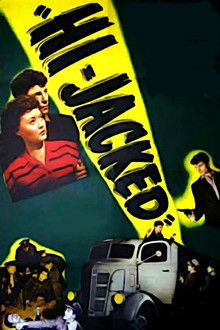
Hi-Jacked
A parolee, working for a trucking line, struggles to clear his name after being accused of involvement with hijackers.
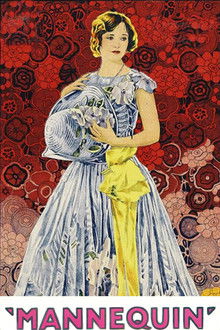
Mannequin
Adapted from the Fannie Hurst story of the same name, Mannequin is the story of Joan Herrick, kidnapped in infancy from her wealthy parents and raised by a slatternly slum woman. The film is still extant.
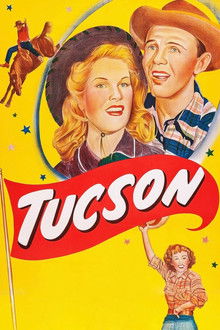
Tucson
The story of Andy Bryant, a University of Arizona student whose grades suffer because of his preoccupation with an upcoming intercollegiate rodeo. Andy's father is more interested in embarrassing a rival at the rodeo than he is with his son's academic progress. When his lack of focus nearly causes a tragic accident in the university chemistry lab, Andy decides to hunker down and study.