
Personal Info
Known For
Gender
Birthday
Place of Birth
Robert Alda
Biography
Known for

The Love Boat
Passengers who search for romantic nights aboard a beautiful ship travelling to tropical or mysterious countries, decide to pass their vacation aboard the "Love Boat", where Gopher, Dr. Bricker, Isaac, Julie, and Captain Stubing try their best to please them, and sometimes help them fall in love. Things are not always so easy, but in the end, love wins.
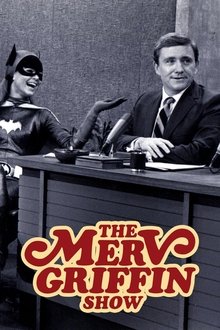
The Merv Griffin Show
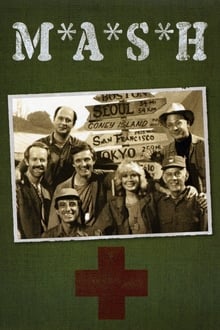
M*A*S*H
The 4077th Mobile Army Surgical Hospital is stuck in the middle of the Korean war. With little help from the circumstances they find themselves in, they are forced to make their own fun. Fond of practical jokes and revenge, the doctors, nurses, administrators, and soldiers often find ways of making wartime life bearable.
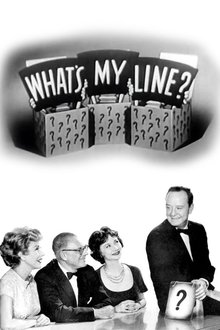
What's My Line?
Four panelists must determine guests' occupations - and, in the case of famous guests, while blindfolded, their identity - by asking only "yes" or "no" questions.

Ironside
When an assassin's bullet confines him to a wheelchair for life ending his career as Chief of Detectives, Robert T. Ironside becomes a consultant to the police department. Detective Sergeant Ed Brown and policewoman Eve Whitfield join with him to crack varied and fascinating cases. Ex-con Mark Sanger is employed by the chief as home help but eventually becomes a fully fledged member of the team also. Officer Whitfield leaves after 4 years service, and is replaced by Officer Fran Belding.
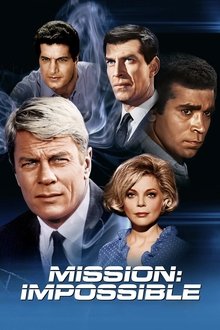
Mission: Impossible
Mission: Impossible is an American television series that was created and initially produced by Bruce Geller. It chronicles the missions of a team of secret government agents known as the Impossible Missions Force. In the first season, the team is led by Dan Briggs, played by Steven Hill; Jim Phelps, played by Peter Graves, takes charge for the remaining seasons. A hallmark of the series shows Briggs or Phelps receiving his instructions on a recording that then self-destructs, followed by the theme music composed by Lalo Schifrin. The series aired on the CBS network from September 1966 to March 1973, then returned to television for two seasons on ABC, from 1988 to 1990, retaining only Graves in the cast. It later inspired a popular series of theatrical motion pictures starring Tom Cruise, beginning in 1996.
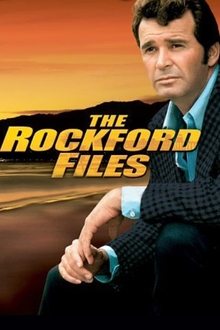
The Rockford Files
Cranky but likable L.A. PI Jim Rockford pulls no punches (but takes plenty of them). An ex-con sent to the slammer for a crime he didn't commit, Rockford takes on cases others don't want, aided by his tough old man, his lawyer girlfriend and some shady associates from his past.
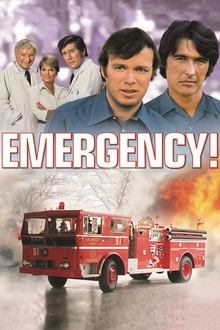
Emergency!
The crew of Los Angeles County Fire Department Station 51, particularly the paramedic team, and Rampart Hospital respond to emergencies in their operating area.

Quincy, M.E.
Los Angeles County medical examiner Quincy routinely engages in police investigations.
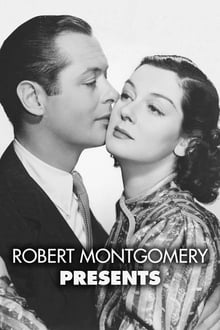
Robert Montgomery Presents
Robert Montgomery Presents is an American dramatic television series which was produced by NBC from January 30, 1950 until June 24, 1957. The live show had several sponsors during its seven-year run, and the title was altered to feature the sponsor, usually Lucky Strike cigarettes, for example, Robert Montgomery Presents Your Lucky Strike Theater, ....The Johnson's Wax Program, and so on.
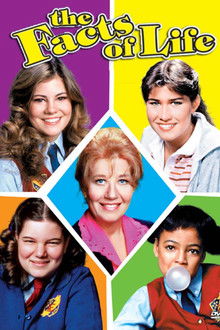
The Facts of Life
Mrs. Edna Garrett, housemother and dietitian at the Eastland School, teaches a group of girls in her charge how to solve those problems that every teenager has to face.
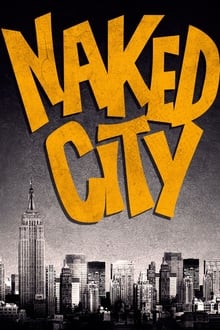
Naked City
Naked City is a police drama series which aired from 1958 to 1963 on the ABC television network. It was inspired by the 1948 motion picture of the same name, and mimics its dramatic “semi-documentary” format. In 1997, the episode “Sweet Prince of Delancey Street” was ranked #93 on TV Guide’s “100 Greatest Episodes of All Time”.
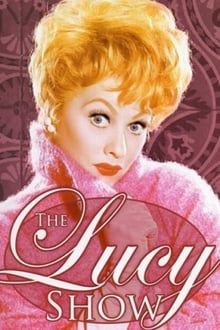
The Lucy Show
The Lucy Show is an American sitcom that aired on CBS from 1962–68. It was Lucille Ball's follow-up to I Love Lucy. A significant change in cast and premise for the 1965–66 season divides the program into two distinct eras; aside from Ball, only Gale Gordon, who joined the program for its second season, remained. For the first three seasons, Vivian Vance was the co-star. The earliest scripts were entitled The Lucille Ball Show, but when this title was declined, producers thought of calling the show This Is Lucy or The New Adventures of Lucy, before deciding on the title The Lucy Show. Ball won consecutive Emmy Awards as Outstanding Lead Actress in a Comedy Series for the series' final two seasons, 1966–67 and 1967–68.
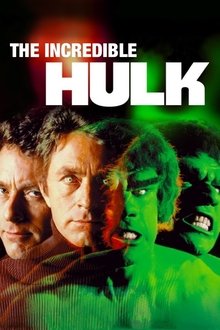
The Incredible Hulk
During an experiment gone bad, radiation turns a scientist into a raging green behemoth whenever he becomes agitated. Unable to control his transformations, David Banner searches for a cure as he crosses the country, fugitive-style, with a dogged tabloid reporter on his trail.
The Incredible Hulk
During an experiment gone bad, radiation turns a scientist into a raging green behemoth whenever he becomes agitated. Unable to control his transformations, David Banner searches for a cure as he crosses the country, fugitive-style, with a dogged tabloid reporter on his trail.