Shoes

Personal Info

Known For

Acting

Gender

Male

Birthday

1908-02-27

Place of Birth

Kyoto, Kyoto, Japan

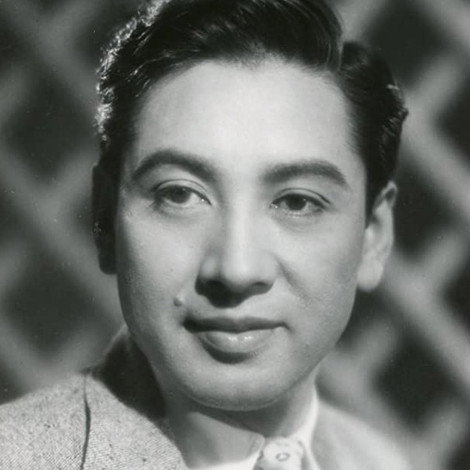
Kazuo Hasegawa

Biography

Kazuo Hasegawa was a Japanese film and stage actor. He appeared in over 300 films from 1927 to 1963. Born to a sake brewing family in Kyoto, he first appeared on stage at age five in a theater run by his family as a side business. In 1918, he became a student of Nakamura Ganjirō I and performed kabuki in the Kansai region. He joined the Shochiku studio in 1927 and made his film debut in Chigo no kenpō under the name Chōjirō Hayashi. His good looks and graceful fighting style made him a major jidaigeki star, and he appeared in more than 120 films for Shochiku in 11 years, with the best works being directed by Teinosuke Kinugasa. He moved to the Toho studio in 1937. On 11 November 1937, however, he was attacked by ruffians and his face slashed with razor blades. According to the historian Daisuke Miyao, "Even though there was no clear evidence, it was widely assumed that this violent incident was Shochiku's retaliatory measure against Hayashi's so-called betrayal." He recovered and changed his stage name to his real name, Kazuo Hasegawa. Hasegawa appeared in many successful films for Toho, including several "national-policy pictures with Chinese settings," such as Song of the White Orchid (1939) and China Night (1940), with co-star Ri Koran. He moved to Daiei Film in 1950 and continued appearing in the popular Zenigata Heiji series. He also appeared in many classic films including Kozaburo Yoshimura's The Tale of Genji (1951), Kinugasa's Gate of Hell (1953), and Kenji Mizoguchi's The Crucified Lovers (1954). He was appointed to Daiei's board of directors in 1957. To celebrate his 300th film, Hasegawa appeared in a new version of Yukinojō henge (known abroad as An Actor's Revenge) in 1963, directed by Kon Ichikawa. He left Daiei that year and continued to appear on stage and television, including starring in the second NHK Taiga drama Akō Rōshi in 1964. He also directed the Takarazuka Revue version of The Rose of Versailles in 1974.

Known for

Akō Rōshi

Akō Rōshi

"Ako Roshi" is a group of 47 former retainers of Lord Asano. Lord Asano was forced to commit suicide after attempting to kill Lord Kira. Once the retainers hear about their Lord's death, they sacrifice their lives to regain the honor of their former master.
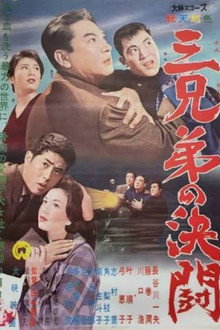
San kyōdai no kettō

San kyōdai no kettō

The Ghost of Yotsuya

The Ghost of Yotsuya

In one of Japan's most frequently-told ghost stories, a murdered wife returns in an act of vengeance.
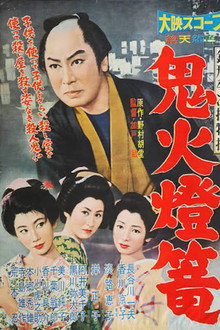
Zenigata Heiji torimono hikae: Onibi tōrō

Zenigata Heiji torimono hikae: Onibi tōrō

An Actor's Revenge

An Actor's Revenge

In Edo Japan, a kabuki actor seeks revenge against the three men who drove his parents to their deaths years ago.
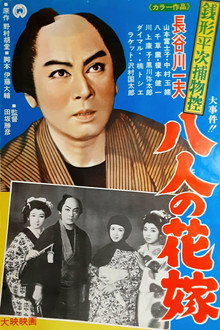
Zenigata Heiji torimono hikae: hachi-nin no hanayome
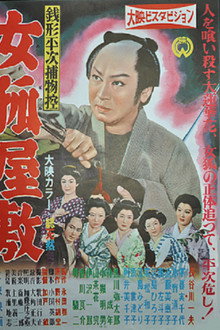
Zenigata Heiji torimono hikae: hachi-nin no hanayome

Zenigata Heiji torimono hikae: Onna kitsune yashiki
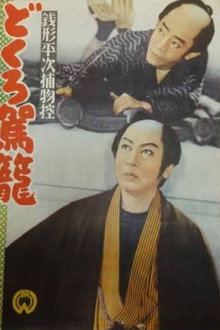
Zenigata Heiji torimono hikae: Onna kitsune yashiki

Zenigata heiji torimono hikae: Dokuro kago

Zenigata heiji torimono hikae: Dokuro kago

Jirocho Fuji

Jirocho Fuji

Legendary yakuza Shimizu Jirocho and his 28 henchmen travel the unruly path from a 'Fire Festival' in Akiba to a decisive battle by the Fujigawa.
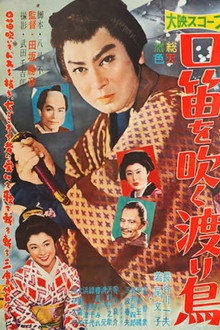
Kuchibue o fuku wataridori
Kuchibue o fuku wataridori

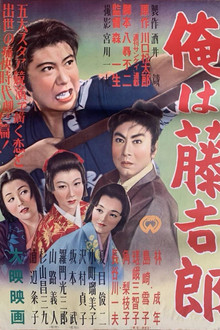
I Was Tokichiro

I Was Tokichiro

Hebi hime dōchū

Hebi hime dōchū

Driven by a murderous intent, he pursues the palanquin carrying the renowned onnagata Kikunosuke, who has taken the place of the princess destined to marry the lord of the Okazaki domain.
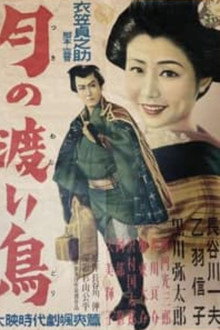
Tsuki no wataridori
Tsuki no wataridori

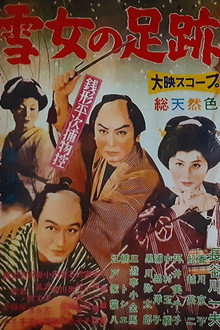
The Footmark of a Snow Fairy
The Footmark of a Snow Fairy

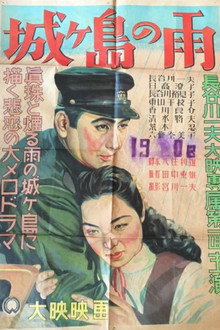
Rain on Jogashima

Rain on Jogashima

A tale of a wasted youth and romantic conflict.