Shoes

Personal Info

Known For

Acting

Gender

Female

Birthday

1931-12-11

Place of Birth

Itachibori, Nishi, Osaka, Osaka, Japan

Fujiko Yamamoto

Biography

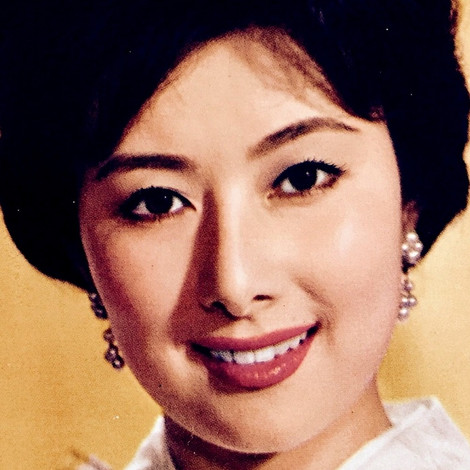
Fujiko Yamamoto (山本富士子, Yamamoto Fujiko) (born 11 December 1931) is a Japanese stage, film and television actress. She was the winner of the first Miss Nippon Grand Prix in 1950, and appeared in over 100 films between 1953 and 1963, including works by directors Yasujirō Ozu, Kon Ichikawa, Shirō Toyoda and Kōzaburō Yoshimura. Yamamoto was born on 11 December 1931 in Nishi ward, Osaka. In 1953, she made her film debut at Daiei Film, and became one of the studio's top actresses. Yamamoto was considered one of Japan's most beautiful women, with, in the words of film historian Catherine Russell, "noble" features that represented the classic ideal of Japanese beauty. As such, she was well-suited for costumed parts in the era's popular period dramas, with her less-frequent modern roles (in films like Ozu's Equinox Flower and Ichikawa's Being Two Isn't Easy) often shot in "movie star" closeups that placed her apart from the films' contemporary storytelling. In 1963, when her contract came up for renewal, she insisted on changes. The head of Daiei, Masaichi Nagata, refused, dismissed her, and prevented her from finding work at other film studios via the Five-Company Agreement. After the Daiei dismissal, Yamamoto acted in the TV series Toshiba Sunday Theatre and on Fuji TV. Even though she has appeared frequently on stage and on television, she has not appeared in a film since then.

Known for

Seijuu Sentai Gingaman

Seijuu Sentai Gingaman

Three millennia after the first invasion of the Space Pirates Barban, a new set of Gingamen — Hyuuga, Gouki, Hayate, Hikaru, Saya — have been selected to protect the Earth. That is, unless the Barban are able to disrupt the ceremony!

The Dancer and Two Warriors
The Dancer and Two Warriors

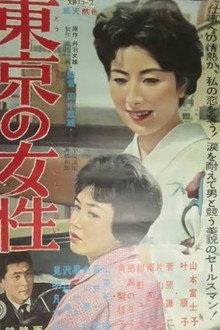
Tōkyō no josei

Tōkyō no josei

An Actor's Revenge

An Actor's Revenge

In Edo Japan, a kabuki actor seeks revenge against the three men who drove his parents to their deaths years ago.
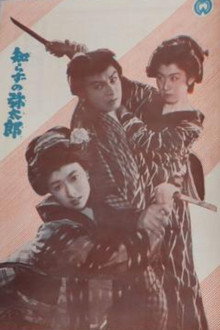
Shirazu no Yatarō

Shirazu no Yatarō

Equinox Flower

Equinox Flower

Wataru's outwardly liberal views on marriage are severely tested when his daughter declares her love for a coworker and is adamant to live her own way, instead of agreeing to an arranged marriage. Outwitted by his female relatives, Hirayama stubbornly refuses to admit defeat.
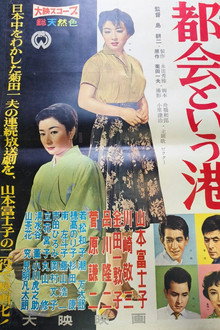
Tokai toiu minato

Tokai toiu minato

Picnic

Picnic

Believing that the world will end that very day, three mental patients Coco, Tsumuji, and Satoru set out upon a journey. Walking upon the tops of the walls of the city, they seek to find a picnic spot with the best vantage point to view the final event.

Kawa no aru shitamachi no hanashi

Kawa no aru shitamachi no hanashi

A kind-hearted medical student, an ill-fated young woman, an innocent young lady in a school uniform, and a medical student whose rational beauty conceals her true feelings… The stories of love and friendship that unfold in a poor town shrouded in fog.
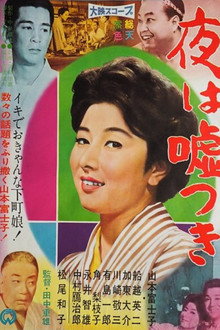
Yoru wa usotsuki

Yoru wa usotsuki

A small restaurant tucked away in the back of Ginza is run by Keiko, the owner’s daughter. Writers, club owners, corporate executives, and others are drawn to her charm.
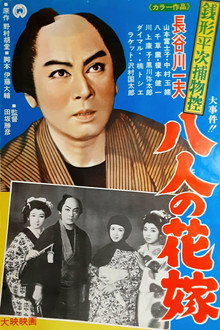
Zenigata Heiji torimono hikae: hachi-nin no hanayome

Zenigata Heiji torimono hikae: hachi-nin no hanayome

Studio wa ōsawagi

Studio wa ōsawagi

An entertainment film set in a movie studio, featuring songs and hidden talents performed by male and female stars.

Coming Up of Kodokan
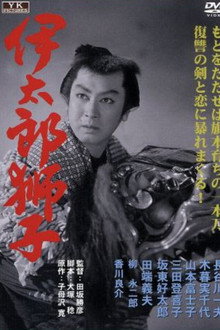
Coming Up of Kodokan

Itarō jishi

Itarō jishi

Itarō abandons his life as a hatamoto to become a yakuza.

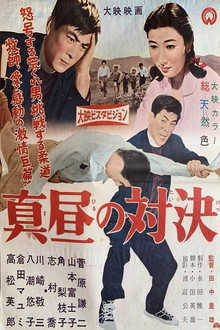
Duel at Noon

Duel at Noon

Judo movie.