
Personal Info
Known For
Gender
Birthday
Place of Birth
Evangelina Sosa
Biography
Known for
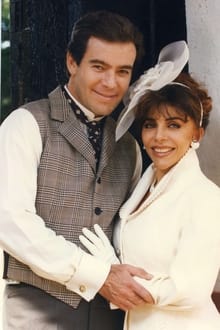
Pueblo chico, infierno grande
Pueblo chico, infierno grande is a Mexican historical telenovela produced by José Alberto Castro for Televisa and originally broadcast on Canal de las Estrellas from January 6 to August 1, 1997. Created by Javier Ruán and adapted by Javier Ruán, Mario Hernández, and Sergio Schmucler, the telenovela is based on a true story about Leonarda Ruán. It stars Verónica Castro, Juan Soler, and Guillermo Capetillo. The story is set in the late 19th century and follows Leonarda Ruán, a wealthy widow from the town of Nahuatzen who falls in love with Genaro Onchi, a young man from a humble background. Their relationship faces strong opposition from society, family conflicts, jealousy, and the return of people from Leonarda's past who try to separate them. As secrets and rivalries emerge, Leonarda and Genaro fight to protect their love against the judgment and traditions of their small town.
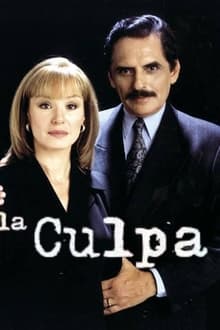
La Culpa
La Culpa is a Mexican telenovela produced by Yuri Breña and Pinkye Morris for Televisa and originally broadcast on Canal de las Estrellas from August 12 to October 11, 1996. Created by Nora Alemán, with literary editing by Marco García, the telenovela stars Tiaré Scanda and Raúl Araiza. Due to low ratings, it was shortened to 45 episodes. The story follows Isabel Lagarde, the adopted daughter of a wealthy family, who falls in love with Miguel Nava, the son of a former boxing champion. Their lives are torn apart after Miguel becomes involved in the accident that kills Isabel's sister, Juana Inés. As grief, suspicion, and revenge threaten to destroy their relationship, Isabel and Miguel must uncover the truth behind the tragedy and identify the real person responsible.
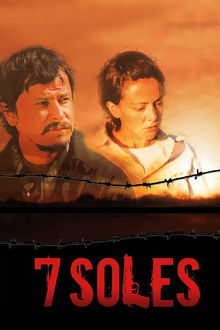
7 Suns
A man called "The Black" is hired to smuggle a group of undocumented migrants into the United States. He wants to quit the smuggling business and claims this is his last trip. His superiors, now suspicious, send Gavilan, a younger smuggler, to keep an eye on him. During the troubled crossing, the smugglers fight and eventually lose part of their human cargo. "The Black" escapes from his former associates but also needs to ecape from the Border Patrol.

Lo que callamos las mujeres
A Mexican anthology television series which deals with the social problems of Mexican society.
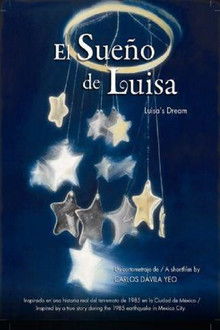
Luisa's Dream
After her birthday party, a little girl goes to bed looking forward to an amusement-park trip with her grandparents for the next day.
The Last New Year
Set on background of personal ceremonies and tradition, this is the story of a twelve year old boy. To him, the passing from one year to another coincides with his passing from childhood into adolescence.
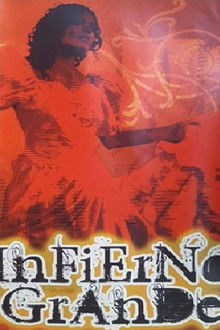
Infierno Grande
Based on a real event, where the municipal president, in order to clean the image of his people before a politician's visit, "throws" a group of mentally ill people into the desert.

Memories of My Melancholy Whores
To celebrate his 90th birthday, an old single journalist, Sabio, wants something special from Rosa Cabarcas’s brothel: an intense night of love with a virgin teenager. The madam finds him the ideal young woman, Delgadina, a factory worker, who is selling her virginity to support her family. When he sees Delgadina sleeping angelically, he loses interest in pure pleasure and falls in love with her. That love was not meant to be true, but fate changes, and that hope is born of an opportunity for unbridled love.
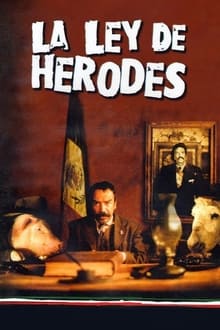
Herod's Law
In the 1940s, a small Mexican town has seen its last three mayors assassinated in rapid succession. A naive janitor is recruited to become the new mayor, and he believes he will modernize the little town and usher in a reign of peace. But the system corrupts him very quickly, and he takes to abusing his power while associating with an unscrupulous assortment of opportunists, hypocrites and criminals.

El sótano
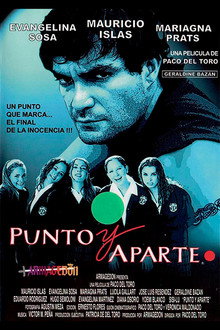
Punto y Aparte
Aline with Valentín. Miroslava with Sergio. Two couples. Two different worlds. One only destiny. Reflected upon one another, their lives intertwine in everyday's story. A story full of conflict and passion, triumph and failure. Thus, their lives get chained in beginnings and endings. For them, there's a lot to choose, a lot to start and a lot to finish. Thus, Aline and Miroslava punctuate their life with a period, and a new paragraph.
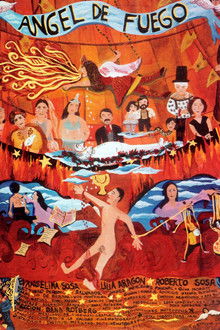
Ángel de fuego
The young trapeze artist Alma is part of the show of a miserable traveling circus. In an act of desperation, Alma commits incest with her father, a sick clown obsessed with the woman who abandoned them. Determined to have his child, Alma leaves the circus and joins a group of preachers led by Refugio, a woman who performs puppet shows with biblical passages in poor neighborhoods.

Buster
Buster is a small time crook who pulls a big time job. When he finds that the police will not let the case drop, he goes into hiding and can't contact his wife and child. He arranges to meet them in Mexico where he thinks they can begin again, but finds that he must choose between his family and freedom.

Snake Skin
After returning from a trip, a young dentist discovers that her home has been ransacked. Determined to recover part of her belongings, the protagonist initiates a criminal process within a corrupt and ineffective justice system that turns her life into a nightmare.