Personal Info
Known For
Gender
Birthday
Place of Birth
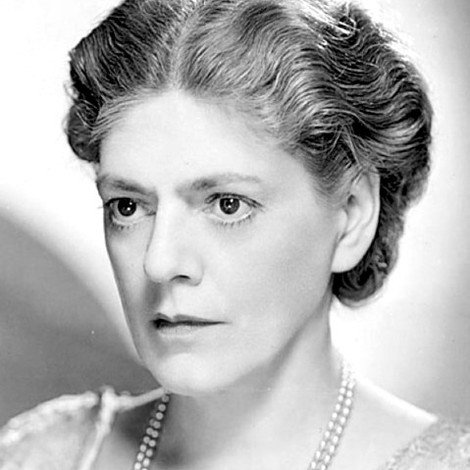
Ethel Barrymore
Biography
Known for

What's My Line?
Four panelists must determine guests' occupations - and, in the case of famous guests, while blindfolded, their identity - by asking only "yes" or "no" questions.

Climax!
Climax! is an American anthology series that aired on CBS from 1954 to 1958. The series was hosted by William Lundigan and later co-hosted by Mary Costa. It was one of the few CBS programs of that era to be broadcast in color. Many of the episodes were performed and broadcast live.


Playhouse 90
Playhouse 90 is an American television anthology series that was telecast on CBS from 1956 to 1960 for a total of 133 episodes. It originated from CBS Television City in Los Angeles, California. Since live anthology drama series of the mid-1950s were usually hour-long shows, the title highlighted the network's intention to present something unusual, a weekly series of hour-and-a-half dramas rather than 60-minute plays. Playhouse 90 began as a pitch by Frank Stanton—the formidable, forward-thinking right-hand man to CBS chairman William S. Paley—during a brainstorming session for program ideas. The project was ultimately developed by Hubbell Robinson, a CBS vice president who received no screen credit on Playhouse 90 but is often described as its creator.

Legends
The story of the big names that have shaped the musical genres, plus an occasional stopgap for the new rock 'n' roll - comedy.

Pinky
Pinky, a light skinned black woman, returns to her grandmother's house in the South after graduating from a Northern nursing school. Pinky tells her grandmother that she has been "passing" for white while at school in the North. In addition, she has fallen in love with a young white doctor, who knows nothing about her black heritage.

General Electric Theater
General Electric Theater is an American anthology series hosted by Ronald Reagan that was broadcast on CBS radio and television. The series was sponsored by General Electric's Department of Public Relations.

Portrait of Jennie
In Depression-era New York, painter Eben Adams despairs at his lack of success. One cold winter evening in Central Park, he meets enigmatic, old-fashioned Jennie Appleton, who captures his fancy when she asks him to wait for her to grow up. Soon after, Eben sells a sketch of Jennie to kindly art dealer Miss Spinny and, as he meets the oddly mutable Jennie in fleeting moments, begins to realize they share a special destiny.

Vaudeville
Vaudeville is a 1997 PBS documentary under its American Masters program. Using film clips and photos, the art and history of vaudeville (1890-1930s) is illustrated.

Kind Lady
Mary Herries has a passion for art and fine furniture. Even though she is getting on in years, she enjoys being around these priceless articles. One day she meets a strange young painter named Elcott, who uses his painting skill to enter into her life. Little does she expect that his only interest in Mary is to covet everything she has.

Eloise
It's not so much that Eloise is a mischievous child, but the darnedest things do happen when she's around.


Deadline - U.S.A.
New York City newspaper The Day is in trouble. Even though editor Ed Hutcheson has worked hard running the paper, its circulation has been steadily declining. Now the publisher's widow wants to sell the paper, which will most likely mean its end. Hutcheson's only hope is to finish his exposé on a dangerous gangster before the sale is finalized.

That's Entertainment!
Various MGM stars from yesterday present their favorite musical moments from the studio's 50 year history.

Young at Heart
The lives and romances of three sisters in a musical family; the youngest daughter's life is complicated by the subsequent arrival of a charming composer and a cynical music arranger.