
Personal Info
Known For
Gender
Birthday
Place of Birth
Marisol Membrillo
Known for
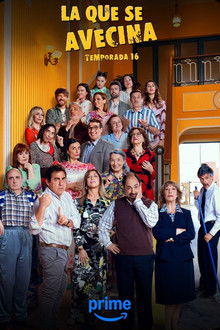
La que se avecina
La que se avecina is a Spanish television comedy created by Alberto Caballero, Laura Caballero and Daniel Deorador. The TV-series focusing around the inhabitants of Mirador de Montepinar, a fictional building located on the outskirts of a big city. Both its storylines and cast are heavily based on Aquí no hay quien viva, which ended when Telecinco bought Miramón Mendi, the series production company. The episodes debuted on the Telecinco network, and were later rerun by the same network as well as cable/satellite channels FactoríaDeFicción and Paramount Comedy. The series debuted in 22 April 2007 and became popular thanks to its funny characters, witty script, use of catchphrases and capacity to integrate and poke fun at contemporary issues; the program presents a caustic satire of many of the 'types' found in Spanish society. The name of the show involves wordplay, as "vecina" is the Spanish word for neighbour.
El comisario

Cable Girls
In 1920s Madrid, four women at the National Telephone Company ring in revolution as they deal with romance, envy and the modern workplace.
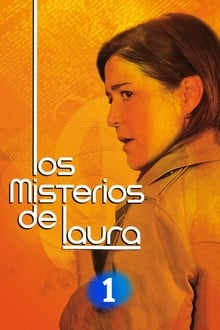
Los misterios de Laura
With her intuition and instinct, Laura Lebrel del Bosque, an innocent and intelligent police inspector with very original methods, naturally solves impossible crimes, dismantles alibis, and figures out who the murderer in every episode is. Meanwhile, her marriage with inspector Jacobo is not going through its best phase, she has to deal with her duties as a housewife and a mother of two very naughty five-year-old twins, and her workmate Martín cannot help getting into trouble.

Angel or Demon

Magical Girl
The father of a terminally ill girl is determined to grant his daughter's last wish, a ridiculously expensive collectors' costume from a Japanese TV series. The request will drive him into a journey within his city's dark underbelly.

Crustaceans
The film Crustaceans treats itself like an impressionist picture or a Japanese Haiku. Crustaceans is a matter of reflection on an instance in life with the social-economical crisis as a landscape. The heartbreak in times of crisis. The film was filmed as demonstrations in the streets against crisis and social welfare cuts took place. For two years, it filmed street demonstrations and incorporated actors in the social landscape. The result, is a film in which the collective and the intimate come together. Both the characters and the people in the street, like identical crustaceans, take to the street to express their shame and rage for what is happening and try to find a solution. A time of anxiety, uncertainty and protest that conforms the landscape in which the characters, such as crustaceans hide their wounds under their hard shell is seen.

El hijo zurdo
The story takes place in Seville. Upon finding out in a police station about the neo-Nazi allegiances of her son Lorenzo, well-off Lola comes across working-class Maru (in a similar situation to Lola's) and her son Rodrigo.
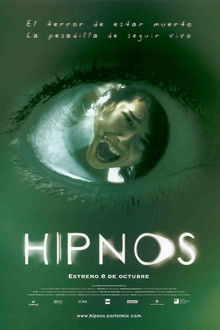
Hipnos
Dr Sánchez Blanch owns and operates a psychiatric hospital where he specializes in hypnotizing his severely emotionally disturbed patients.
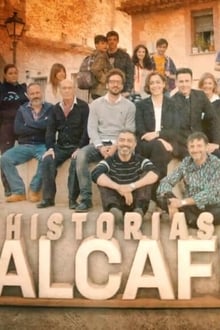
Historias de Alcafrán

Entre esquelas
Heras Victor is a young man who works as a journalist. Among his occupations is responsible for the obituary section. One day, out of curiosity is one of the burials that have appeared under his name and there he meets a mysterious woman who will become an obsession for him. Try to find out more about it, because the attraction was immediate and totally absorbing.

Marisol: La película
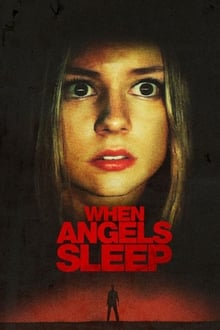
When the Angels Sleep
Germán, an honest family man, sees how his whole world wobbles the night when, driving home, accidentally runs over two teenage girls. From that moment, Germán will have to do everything in his power to prevent his life from being destroyed forever.
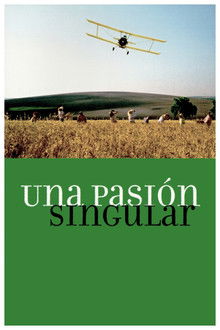
Una pasión singular
Spain, August 1936, the first days of the Spanish Civil War. During the painful pilgrimage of the Andalusian writer Blas Infante (1885-1936) from prison to prison, always on the verge of death, various images cross his mind: people, dreams, remnants of his past.